Kurashiki Bikan Historical Quarter
Kurashiki, Japan
Historic area with classic architecture situated along a canal, with shops, eateries & galleries.
Last updated: February 9, 2026
Overview
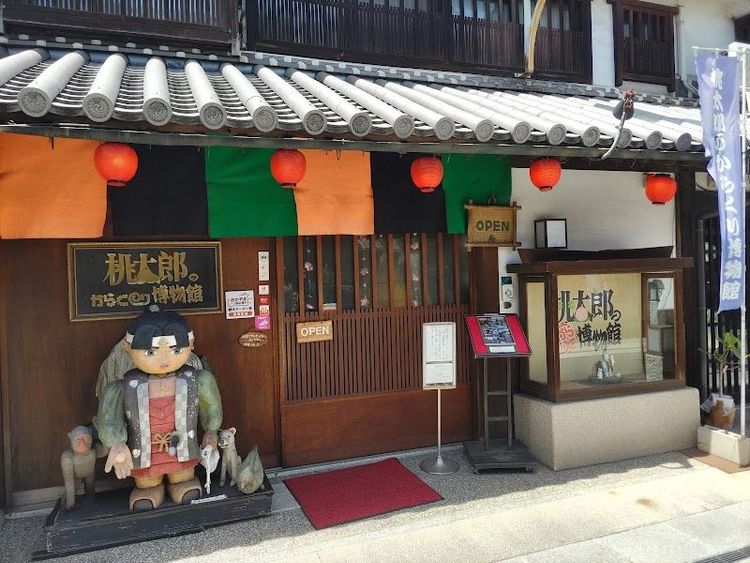
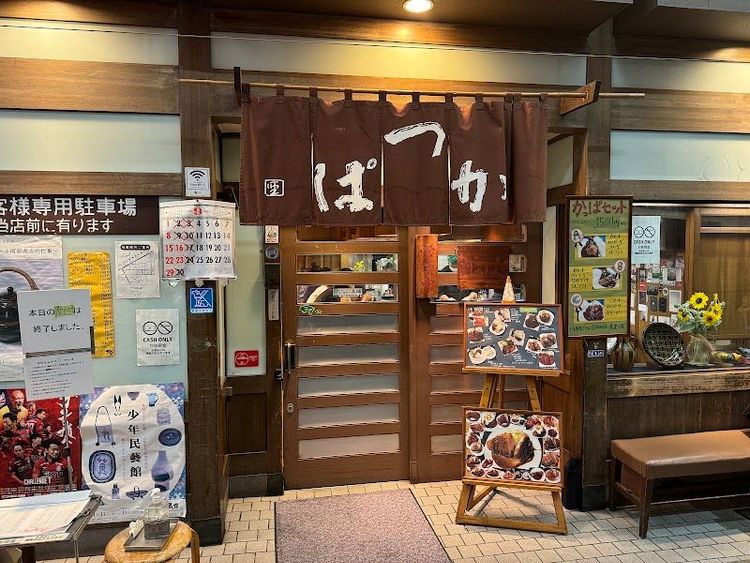
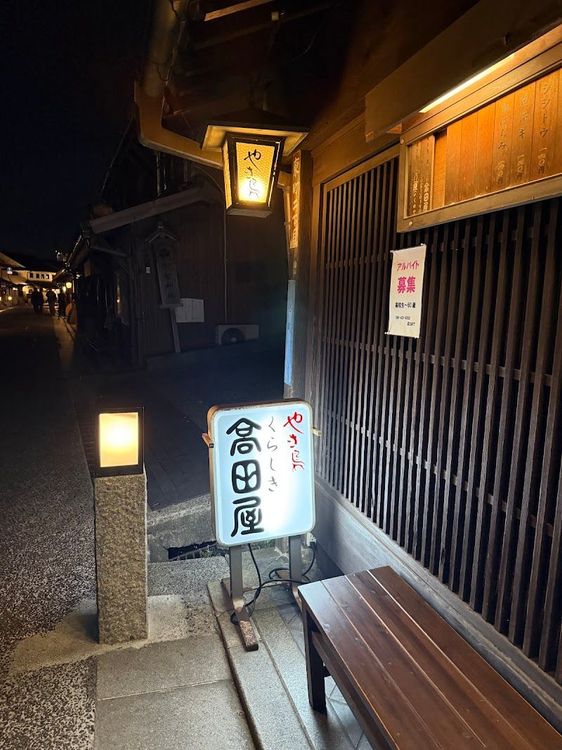
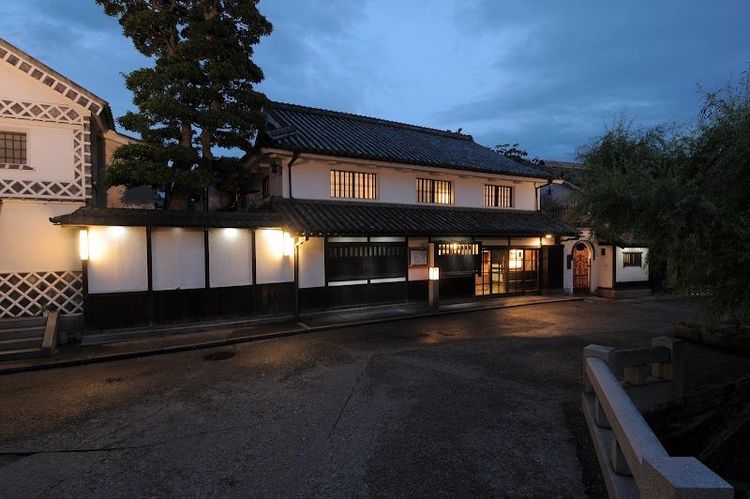
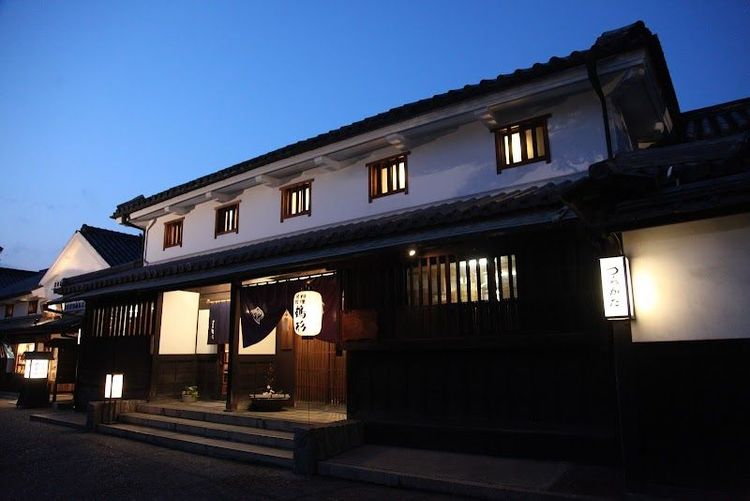
This beautifully preserved historical district features white-walled kura (storehouses) dating back to the Edo period when Kurashiki was an important rice distribution center. The area is characterized by its picturesque canal lined with willow trees, stone bridges, and traditional architecture that now houses museums, galleries, craft shops, and restaurants. The Ohara Museum of Art, Japan's first museum of Western art, is a highlight within the quarter.
About This Attraction
Step back in time with a trip to Kurashiki Bikan Historical Quarter, a charming district in Kurashiki, Japan. This picturesque area, full of Edo-period architecture, offers a perfect blend of culture and history. With the AI Travel Agent at your fingertips, seamlessly plan your journey using the Trip Planner App and discover things to do and cheap activities in Kurashiki, Japan. Whether you’re flying to Kurashiki, Japan or seeking cheap flights, our AI Travel services ensure you make the most of your visit. Enjoy unique activities in Kurashiki, Japan and immerse yourself in local traditions. Book with our Kurashiki, Japan Travel Agent and explore this beautiful city effortlessly. From wandering the historic streets to sampling local cuisine, there are endless activities in Kurashiki, Japan that promise a memorable adventure. Discover the charm of this historic quarter with savings on your activities and accommodations. Your adventure awaits; fly to Kurashiki, Japan, and let AI Travel plan the perfect itinerary for you.

Opening Hours
Historical Significance
Kurashiki Bikan Historical Quarter holds significant historical importance as a preserved Edo-period merchant district that served as a major rice distribution center for the Tokugawa shogunate. The white-walled kura (storehouses) were built to protect valuable goods from fire and theft. The area's preservation efforts began in the 1920s, making it one of Japan's earliest examples of historical conservation. It represents Japan's transition from feudal times to modernization while maintaining cultural heritage.
Amenities
- Restrooms
- Souvenir Shops
- Restaurants and Cafés
- Art Galleries
- Museums
- Boat Rides
- Wheelchair Accessible Paths
- Information Center
Photography
Photography is generally permitted throughout the historical quarter for personal use. The picturesque canals, traditional architecture, and scenic bridges provide excellent photo opportunities. Commercial photography may require prior permission. Drone photography is typically restricted in the area. Visitors are encouraged to be respectful when photographing local residents or inside specific museums and galleries where restrictions may apply.
Accessibility
The historical quarter is largely wheelchair accessible with paved pathways along the main canal area and most public facilities. Some smaller side streets may have uneven surfaces typical of historical districts. Many museums and shops have step-free access, and wheelchair-accessible restrooms are available at information centers. The flat terrain makes exploration comfortable for visitors with mobility concerns, though traditional boats may have limited accessibility.
Weather Sensitivity
The outdoor nature of the historical quarter means weather can significantly impact the experience. Spring and autumn offer ideal conditions with mild temperatures. Summer can be hot and humid, making early morning or evening visits more comfortable. Rainy days may limit outdoor exploration but create beautiful reflections in the canal. The area remains accessible year-round, with many indoor museums and shops providing shelter during inclement weather. Winter visits are pleasant with fewer crowds.
Visitor Reviews
Understanding Web Development
Web development is a field that involves the creation and maintenance of websites. It encompasses several aspects, including web design, web programming, and database management.
Key Technologies
Web development employs various technologies to deliver functional and aesthetically pleasing websites. Some of the most important technologies include HTML, CSS, and JavaScript.
HTML is the foundation of web development, providing the basic structure of web pages.
CSS is used to style and layout web pages, giving them a visual appeal and enhancing user experience.
JavaScript brings interactivity to web pages, allowing developers to create dynamic content.
Backend Development
Backend development focuses on server-side operations. It involves managing databases, server logic, and integrations required to process requests and serve data over the internet.
Common languages used in backend development include Python, Java, and PHP. These languages help developers create the logic and algorithms required to ensure smooth server operations.
Additionally, frameworks such as Django, Spring, and Laravel simplify backend development by providing templated solutions to common tasks.
The Web Development Process
Planning and Design
The initial stage of the web development process is planning and design. During this phase, developers and designers work together to establish the website's goals, layout, and functionality.
Tools like wireframes and mockups are often used to visualize the website's structure and aesthetics before moving on to development.
Development and Testing
With a clear plan in place, developers begin building the website. This includes writing code, integrating technologies, and ensuring compatibility across various devices and browsers.
Once development is complete, the website undergoes rigorous testing to identify and fix any issues or bugs. Testing scripts and tools help automate and streamline this process.
Deployment and Maintenance
After testing and debugging, the website is ready for deployment. It is hosted on a server and made accessible via the internet for public access.
Ongoing maintenance is essential to keep the website secure, up-to-date, and functioning optimally. Regular updates and checks help address any new security threats or performance issues.
Conclusion
Web development is a multifaceted discipline that requires proficiency in various technologies and an understanding of the development process. Successful web development hinges on careful planning, effective execution, and continuous maintenance. Staying updated with the latest trends and technologies is crucial for developers to create efficient and innovative web solutions.