Tsurugaoka Hachimangu Shrine
Tsurugaoka Hachimangu Shrine: A Historic and Cultural Landmark in Kamakura
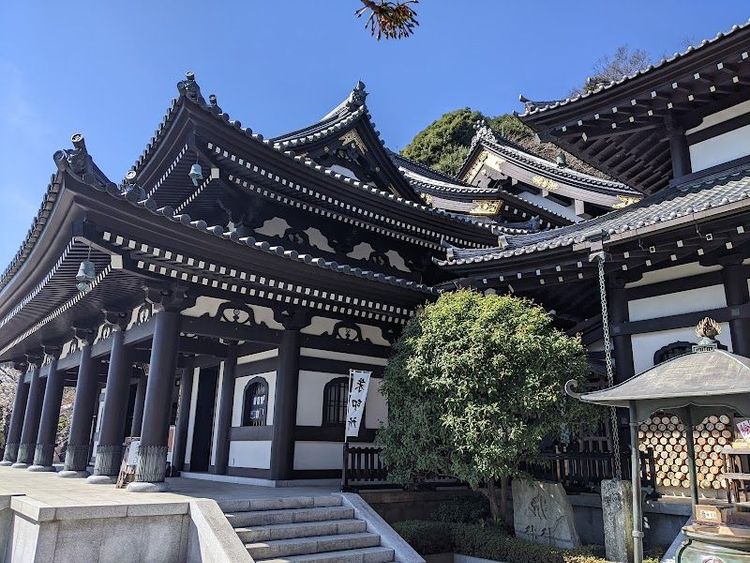
Shinto shrine established in 11th century, built in 1828 in the traditional Edo architectural style.
Overview
Founded in 1063 and relocated to its current site in 1180 by Minamoto no Yoritomo, this shrine serves as the spiritual heart of Kamakura. The complex features multiple buildings, including the main hall, a museum, and beautiful gardens with ponds and bridges. The dramatic approach through multiple torii gates and up the wide stone staircase creates a memorable entrance to this sacred space.
About This Attraction
Discover the enchanting Tsurugaoka Hachimangu Shrine in Kamakura, Japan with the AI Travel Agent. As your ultimate Trip Planner App, it highlights cheap activities and the top things to do in Kamakura, Japan, like exploring this magnificent shrine. Ideal for frequent travelers looking to book cheap flights, the AI Travel planner ensures an unforgettable trip to Kamakura, Japan. Embrace cultural wonders with our Kamakura, Japan Travel Agent and experience cheap activities in Kamakura, Japan. Fly to Kamakura, Japan for a seamless travel adventure with Booked AI Travel Agent.

🕒 Opening Hours
Monday: 6:00 AM – 8:00 PM
Tuesday: 6:00 AM – 8:00 PM
Wednesday: 6:00 AM – 8:00 PM
Thursday: 6:00 AM – 8:00 PM
Friday: 6:00 AM – 8:00 PM
Saturday: 6:00 AM – 8:00 PM
Sunday: 6:00 AM – 8:00 PM
⏱️ Time Required
Most visitors spend 1-2 hours exploring the main shrine complex and immediate grounds. Those interested in the museum, gardens, and surrounding areas should allow 2-3 hours for a thorough visit. The extensive grounds include multiple sub-shrines, ponds, and historical markers worth exploring. Early arrival is recommended to fully appreciate the site without rushing.
Historical Significance
Tsurugaoka Hachimangu holds immense historical importance as the spiritual center of the first shogunate government in Japan. Founded by Minamoto no Yoritomo, the first shogun of the Kamakura period, it symbolizes the shift of political power from Kyoto to Kamakura. The shrine has witnessed nearly a millennium of Japanese history, including wars, reconstructions, and cultural evolution.
Family Friendly
The shrine is family-friendly with open spaces for children to explore safely. However, supervision is necessary around water features and on staircases. The cultural experience can be educational for older children, though younger ones may find the historical aspects less engaging. Elderly visitors should note the numerous steps and uneven pathways throughout the complex.
Getting There
The shrine is easily accessible from Kamakura Station via a pleasant 10-minute walk along the main approach street. Multiple bus routes also stop near the entrance. Kamakura Station is served by the JR Yokosuka Line and Enoshima Electric Railway, making it easily reachable from Tokyo and Yokohama. Limited parking is available for those driving.