Top Times to Explore Vang Vieng
Top Times to Explore Vang Vieng
Uncover the perfect time to visit Vang Vieng with our AI travel insights. Learn about dry season adventures, wet season tranquility, and practical tips for navigating this stunning Laotian paradise between limestone karsts and the Nam Song River.
Overview of Vang Viengs Climate
Vang Vieng experiences a tropical monsoon climate with distinct wet and dry seasons. Expect three primary seasons: a dry season, a wet or rainy season, and a cool season. The dry season, from November to February, brings pleasantly warm days and cooler nights, with temperatures ranging between 15°C to 25°C (59°F to 77°F). This period is ideal for an array of outdoor activities. From May to October, the wet season kicks in with frequent and sometimes heavy rainfalls, elevating humidity. Average temperatures during this period hover around 25°C to 30°C (77°F to 86°F). The cool season, around March to April, sees temperatures slowly climbing, and rain beginning to subsist. These patterns influence travel plans, as heavy rains can impact transportation and access to various attractions. However, with an AI travel agent, planning for such changes becomes seamless and efficient.
Best Time to Visit Vang Vieng
The best time to visit Vang Vieng is during the dry season, particularly from November through February. This period offers mild temperatures, reduced humidity, and minimal rainfall ideal conditions for exploring Vang Viengs many attractions. Outdoor activities such as hiking, tubing, and kayaking are most enjoyable due to stable weather and calm rivers. The clear skies provide excellent opportunities to admire the breathtaking limestone karsts and explore the numerous caves dotting the landscape. With fewer tourists during this time, you will find it easier to plan your trip with an AI travel app, securing great deals on accommodations. Moreover, several local events and festivals occur during these months, enriching your cultural experience.
Seasonal Activities and Attractions
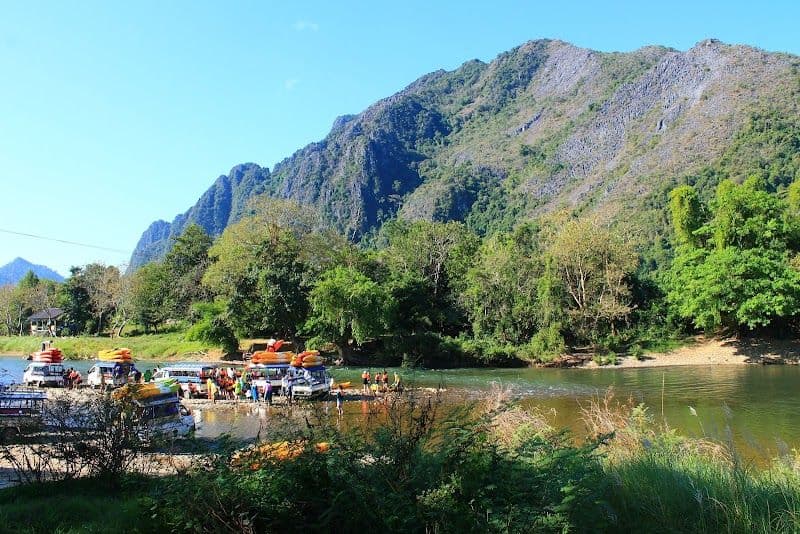
Vang Viengs outdoor adventures are at their peak during the dry season. Thrill seekers can hike verdant trails winding around limestone hills or enjoy tubing down the gentle Nam Song River. Kayaking is also popular, inviting paddlers of all levels with its calm waters. The regions vast caves and limestone karsts are a must for geology enthusiasts highlights include the prehistoric Tham Chang Cave and the iconic Tham Phu Kham Blue Lagoon. Various festivals throughout the year celebrate local culture and traditions, such as the Lao New Year (Pi Mai) in mid April. Visiting viewpoints like Pha Ngeun Mountain offers panoramic vistas, particularly enchanting at sunset. Nature reserves provide bird watching and peaceful treks, and engaging in village tours allows immersion in traditional Lao life, sampling local cuisine and connecting with locals.
What to Expect During the Wet Season
The wet season in Vang Vieng, spanning from May to October, is characterized by frequent rainfall that can influence travel plans. While daily showers and occasional heavy downpours might disrupt some activities, the lush landscape and vibrant river ecosystems create a uniquely beautiful environment. An AI trip planner app can help you navigate these conditions, recommending indoor cultural experiences, local workshops or markets, and peaceful ambiances. Another advantage of visiting during the wet season is reduced tourist crowds, offering a more intimate experience. However, travelers should be cautious as flooding can affect certain areas, and trails may become slippery. Popular outdoor activities like tubing and hiking might be limited, but with smart planning, the wet season can still be rewarding.
Travel Tips
Planning ahead is vital when visiting Vang Vieng, especially during peak seasons such as the dry months, when accommodations fill up fast. An AI travel agent can assist you in booking the best hotels or guesthouses in advance. Dress appropriately for the season with lightweight, breathable fabrics for warmer months and layers during cooler evenings. Local transportation options include buses, tuk tuks, and motorbike rentals, but be aware that road conditions can deteriorate during heavy rains. Stay hydrated, use insect repellent, and practice safe swimming and tubing habits, especially when water levels fluctuate seasonally. Respect local customs and etiquette, such as dressing modestly when visiting temples and greeting locals with the traditional Lao nop gesture. Engaging respectfully with the community enriches your travel experience, fostering meaningful connections.
Conclusion
In summary, the best time to visit Vang Vieng is during the dry, cool season from November to February when weather conditions are ideal for outdoor adventures and exploring natural wonders. However, some might prefer the lush landscapes and quieter atmosphere of the wet season, despite its challenges. By leveraging AI travel tools, you can plan a trip that aligns perfectly with your interests and preferred activities. Thoughtful preparation and an open mind ensure a memorable experience, allowing you to enjoy the stunning scenery, rich culture, and warm hospitality Vang Vieng has to offer.
