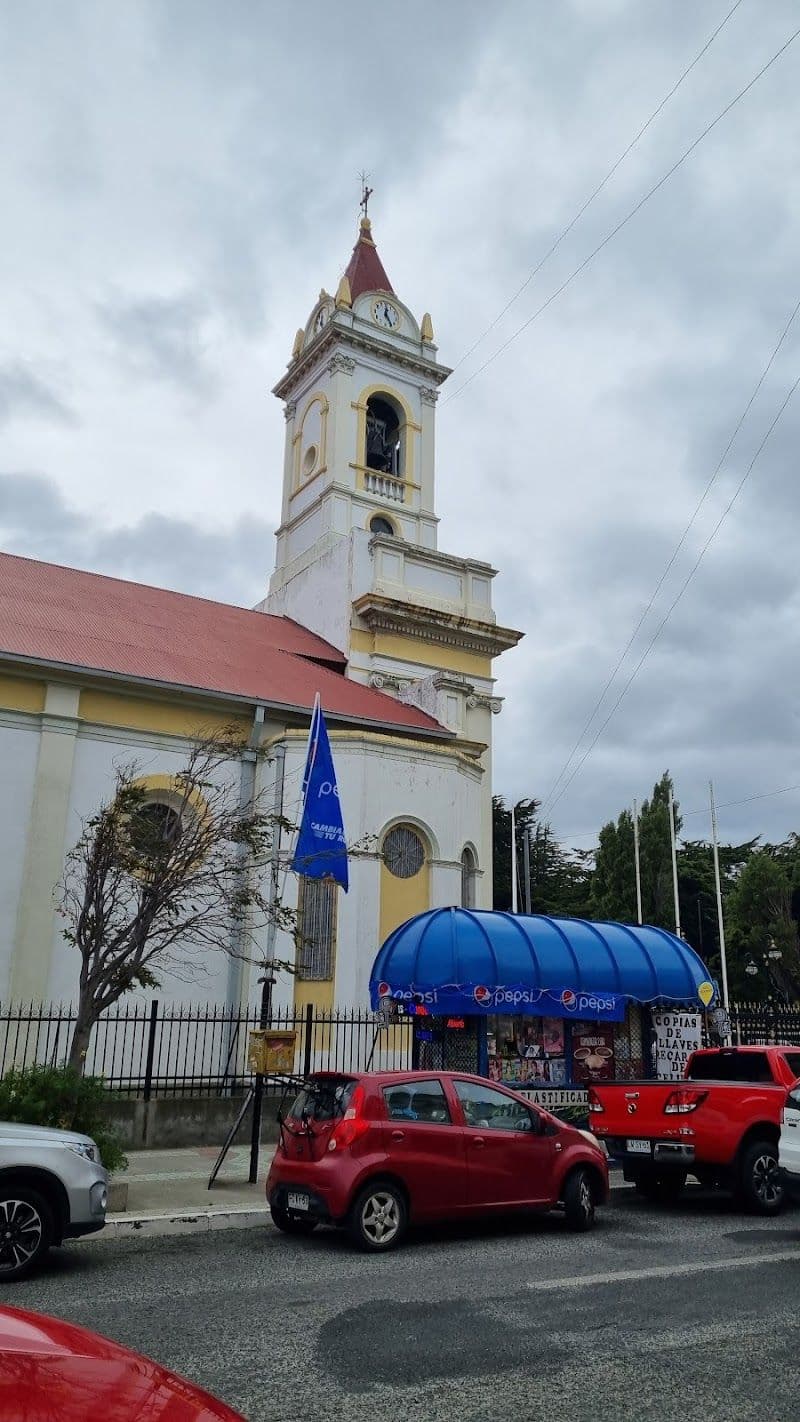
When to Visit Punta Arenas: A Travel Guide
When to Visit Punta Arenas: A Travel Guide
Plan your Punta Arenas adventure with our AI Travel Agent. Find the best season for wildlife watching, cultural events, and outdoor activities in this Patagonian gem, plus tips on hotels and local transportation.
About Punta Arenas, Chile
Punta Arenas, strategically positioned on the Brunswick Peninsula along the Strait of Magellan, is one of the southernmost cities in the world. Its subpolar oceanic climate features cool temperatures and steady winds throughout the year, influenced by its proximity to Antarctica. Culturally, Punta Arenas is a melting pot shaped by indigenous groups, European settlers, and modern Chilean traditions, reflected in its architecture, cuisine, and festivals.
Punta Arenas is more than a mere stopover; it is a destination steeped in natural and historical significance. Visitors can explore historical landmarks like the Magellan Monument and the Cemetery of Punta Arenas, which narrate tales of early settlers. The surrounding landscapes include the awe inspiring Torres del Paine National Park, Magdalena Island's penguin colonies, and the expansive Patagonian steppe. Must see attractions include the Nao Victoria Museum, with its replicas of historic ships, and Cerro de la Cruz, offering panoramic city views.
Climate and Weather Patterns
Punta Arenas experiences distinct seasonal shifts that influence the trip planning process. Summers, from December to February, offer mild temperatures ranging from 11°C to 14°C (52°F to 57°F) and extended daylight up to 17 hours, ideal for outdoor exploration. In autumn (March to May), temperatures cool to an average of 6°C to 10°C (43°F to 50°F), with breathtaking fall foliage.
Winter, from June to August, is the coldest season, with temperatures between -1°C to 4°C (30°F to 39°F) and daylight as brief as 7 hours. Occasional snowfall enhances the scenic beauty. Spring (September to November) gradually warms to an average of 7°C to 11°C (45°F to 52°F), revitalizing the region with blooming flora and longer daylight.
Precipitation is moderate but consistent, with rain in colder months and sudden showers in warmer weather. The Patagonian winds bring spectacular cloud formations and dynamic atmospheres.
Best Time to Visit Punta Arenas with Your AI Travel Agent
Determining the best time to visit Punta Arenas involves considering weather, daylight, and activities. For extended daylight and outdoor excursions, the Southern Hemisphere’s summer is ideal, offering great conditions for wildlife watching, hiking, and marine cruises.
Autumn appeals to those seeking a quieter atmosphere and cultural events such as the annual Magellan Cruise Festival. Winter caters to visitors interested in winter sports, cozy Patagonian cuisine, and cultural gatherings.
Spring, with its blooming nature and festive energy, is ideal for nature lovers. The transitional weather of spring requires versatile packing. Each season has its charm, so consider your preferences around climate, crowds, and activities.
Top Activities in Punta Arenas
In summer, Punta Arenas comes alive with opportunities to see diverse wildlife, such as the Magellanic penguins on Magdalena Island and South American sea lions. Hikers will appreciate trails through lush valleys, while cruises offer views of fjords, glaciers, and snow capped peaks.
Autumn’s crisp air and amber landscapes attract photographers and nature enthusiasts. This season is perfect for cultural events, including traditional music performances and gastronomic fairs celebrating Patagonian cuisine.
Winter transforms Punta Arenas into an intimate setting, offering cross country skiing and snowshoeing in nearby highlands. Cozy cafes and restaurants serve hearty dishes like lamb stews with Chilean wine.
Spring invites travelers to witness nature’s rebirth, with festivals like the Punta Arenas Flower Festival and outdoor markets. Guided tours highlight the region’s flora and fauna awakening.
Travel Tips by Your AI Travel Agent
Packing smart is essential due to Punta Arenas unpredictable weather. In summer and spring, opt for lightweight, wind resistant, and waterproof clothing. Autumn and winter require insulated jackets and thermal layers. Bring sturdy footwear for hiking and walking.
Embrace the local culture by respecting customs and enjoying the friendly ambiance of events like the Magellan Cruise Festival.
Navigating Punta Arenas is easy with its public buses and taxi services. Renting a car is advisable for exploring remote areas. Book accommodations in advance, especially in summer, for the best selection of Punta Arenas hotels.
Health wise, prepare for strong winds and sun exposure by packing sunscreen and sunglasses. A basic first aid kit is also useful. Budget considerations vary; summer tends to be pricier, while winter may offer affordable options.
Conclusion
Punta Arenas invites you to explore its wonder year round, with each season offering unique attractions. Summer is best for warm weather and extended daylight adventures. Autumn captivates with its natural splendor and cultural festivities. Winter offers a cozy retreat with sports and traditions. Spring bursts with life and vibrant celebrations, ideal for nature lovers.
Plan your trip with an AI travel app based on your preferences for weather, activities, and cultural interests, ensuring a rewarding experience in this Patagonian gem. Whether it is marveling at penguins, savoring Chilean cuisine, or hiking dramatic landscapes, Punta Arenas promises lasting memories. Choose your season, pack wisely, and let the southern winds lead you to unforgettable discoveries.