Kalash Valley: Discovering the Enchanting Culture and Festivals
Kalash Valley: Discovering the Enchanting Culture and Festivals
Experience the vibrant festivals and rich traditions of Kalash Valley, Pakistan. See ancient customs, colorful dress, and unique architecture in this remote mountain paradise.
Geography and Demographics of Kalash Valley
Kalash Valley, composed of Bumburet, Rumbur, and Birir valleys, lies in the Hindu Kush mountain range of Khyber Pakhtunkhwa province. Situated near the Afghanistan border, the terrain is rugged, featuring steep hills, dense forests, and pristine rivers, making it one of Pakistan's most picturesque and remote sites. This seclusion has played a crucial role in preserving the Kalash culture for centuries.
The Kalash people are a small ethnic group, approximately 4,000 to 5,000 individuals residing across the three valleys. Despite variations in dialect and customs within each valley, they are united by shared traditions and beliefs. While this cultural isolation protects them from external influences, it poses challenges for economic development and access to education and healthcare.
Unique Cultural Identity of the Kalash People
The Kalash people's cultural identity is notably distinct in South Asia, characterized by their language, Kalasha-mun, an ancient Dardic tongue. It is integrated with folklore, myths, legends, and oral histories passed down through generations.
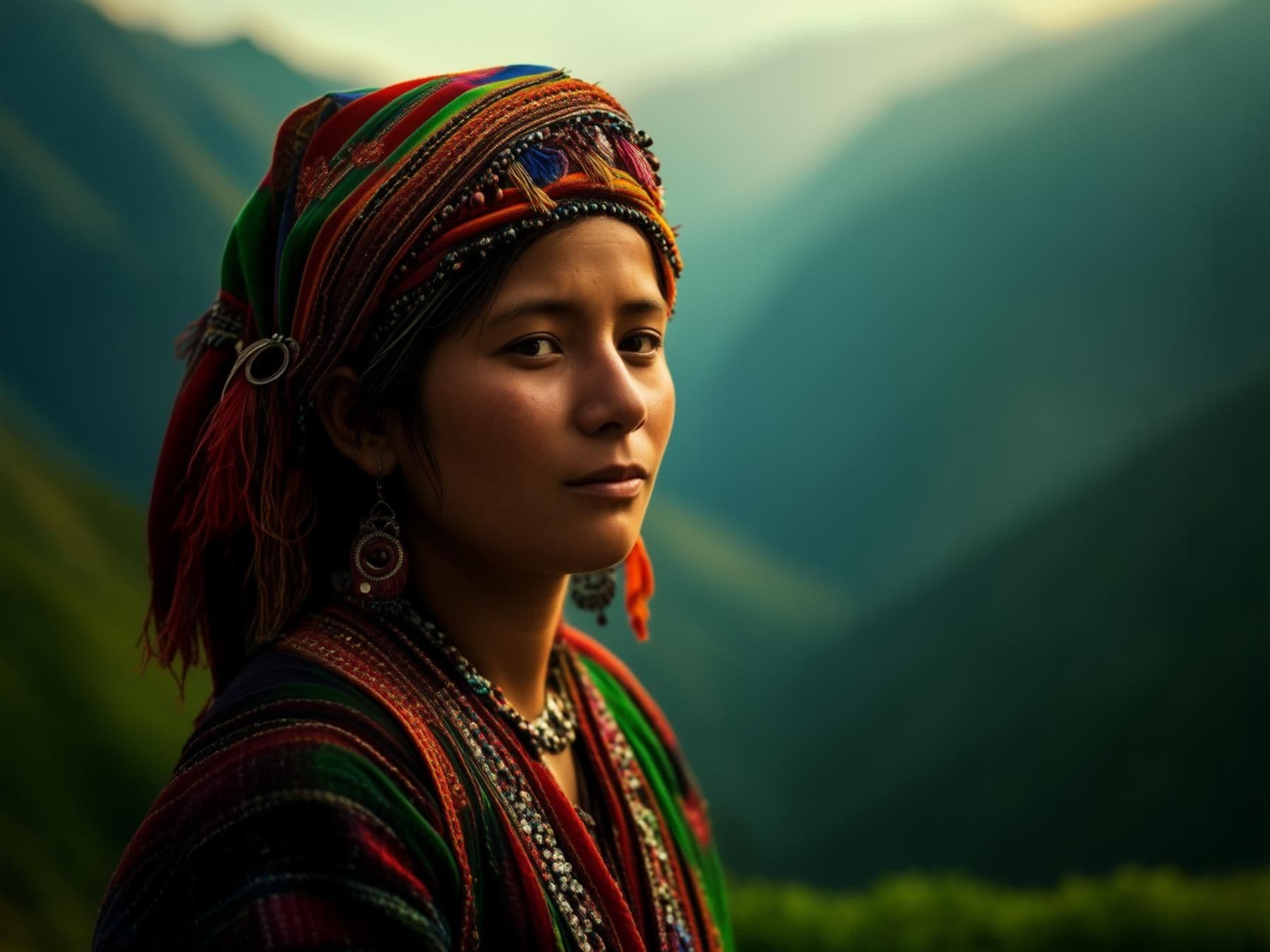
The traditional clothing of the Kalash adds visual charm to their culture. Women wear intricate black woolen dresses adorned with bright beads and cowrie shells, while men sport simpler garments paired with signature woolen caps. These outfits have symbolic meanings, often representing social status, marital status, and seasonal occasions.
Kalash architecture blends seamlessly with nature, as homes are constructed from wood and stone, featuring flat roofs and intricate carvings. These communal houses accommodate extended families, promoting a bonding environment. Spirituality in Kalash life is defined by animism and polytheism, where they worship a pantheon of deities connected to natural elements like the sun, mountains, and forests. This spiritual worldview instills a deep respect for nature that guides their everyday life.
