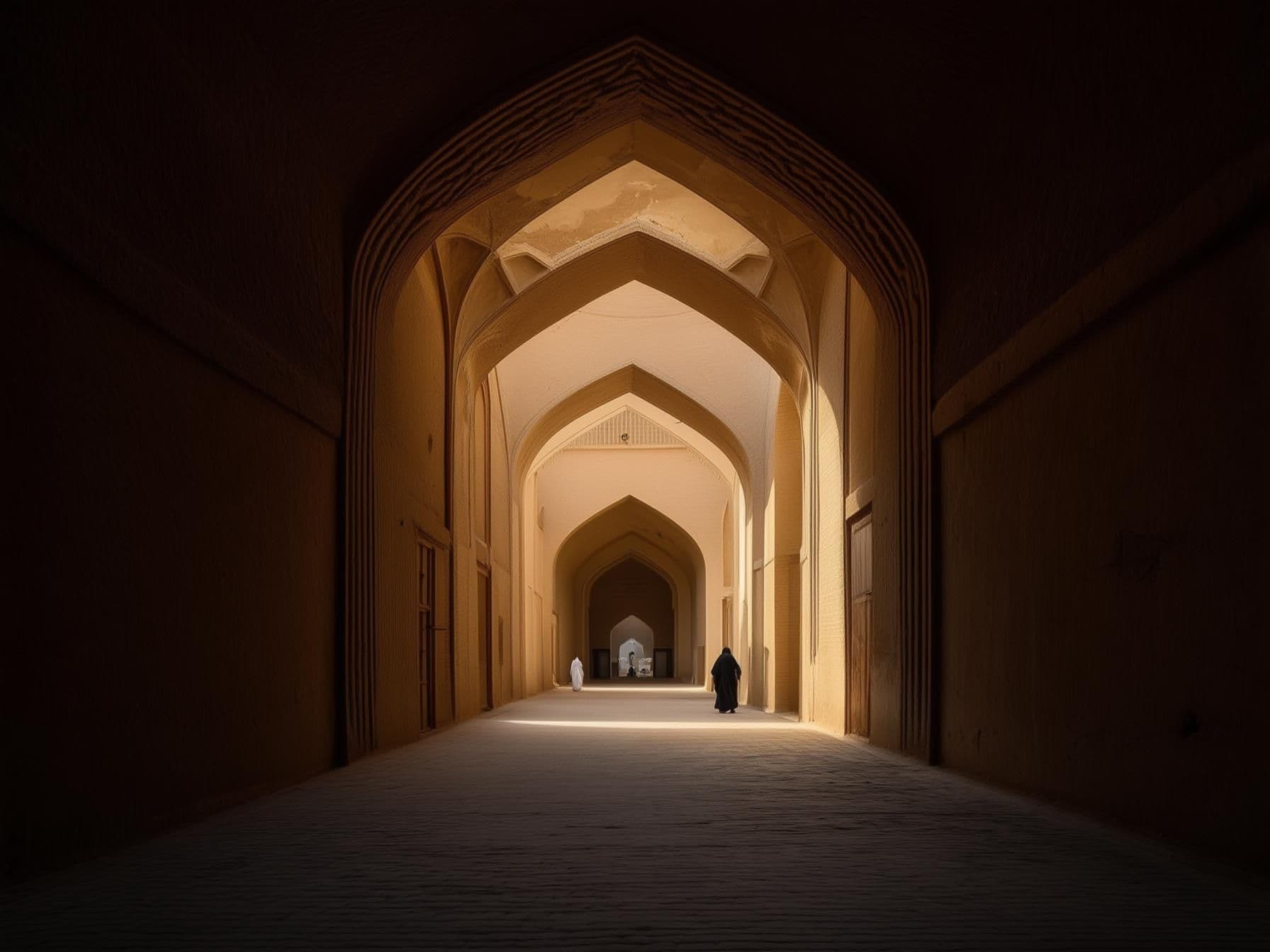
Discover Qazvin: History, Culture, and Travel Tips
Discover Qazvin: History, Culture, and Travel Tips
Experience Qazvin, Iran's cultural heart with architectural marvels, bustling bazaars, and Persian cuisine. Our AI Travel Agent helps you navigate this budget-friendly city's historical sites and local traditions. Close to Tehran, perfect for history lovers.
Understanding Qazvin's Historical Background
Dating back over 2,500 years, Qazvin's strategic position near the Alborz Mountains and the Silk Road made it a vital hub for trade and governance. During the 16th century, the city briefly served as the Persian Empire's capital under the Safavid dynasty, leaving behind an opulent architectural legacy that still draws visitors today. Qazvin, intersected by notable empires such as the Mongols and Timurids, features an intricate cultural mosaic, enriched by Shi’a scholarship and traditional Persian arts, making it an informative and enriching destination for visitors.
Essential Historical Sites in Qazvin
Your trip plan to Qazvin should include its remarkable historical sites which illustrate the city's architectural grandeur and cultural dynamism. The Qazvin Grand Bazaar, a historic marketplace, has captured the essence of Persian trade and architecture with its vaulted ceilings and detailed brickwork. Here, local culture intertwines with commerce, offering everything from exotic spices to handcrafted treasures.
The Jameh Mosque of Qazvin, one of Iran's oldest mosques, combines Seljuk and Ilkhanid architectural styles, showcasing stunning tilework and lofty arches. Meanwhile, the Chehel Sotoun Pavilion, a former Safavid pleasure palace, captivates visitors with its elegant frescoes and mirrored halls, providing a glimpse into royal opulence.
For an authentic sense of historical evolution, visit the Qazvin Gate or Darvazeh Qazvin, a remnant of the city’s defenses, and the caravanserais, which harken back to Qazvin’s Silk Road era with their vast courtyards and stone architecture.
Delving into Qazvin’s Cultural Heritage
Qazvin is a cultural bastion in Iran, renowned for its mastery of Persian arts. The city is celebrated for its tradition of miniature painting and calligraphy, with intricate works found in its manuscripts and architecture. Qazvin's rugs, featuring vibrant floral patterns, are emblematic of its rich artistic traditions.
Local festivals in Qazvin inject vibrancy into the city, from Nowruz (Persian New Year) to Shi’a religious festivities, each offering a vivid peek into the region’s traditions. Food enthusiasts will find Qazvin’s cuisine irresistible, with specialties like Gheimeh Nesar and Baghlava reflecting the city’s unique flavors. Dining here is a sensory experience that fuses history and taste.
Unmissable Cultural Experiences in Qazvin
Maximize your trip to Qazvin by immersing yourself in its authentic cultural experiences. Visit traditional Persian tea houses, enriched with tiled walls and Persian carpets, to enjoy aromatic teas that tell a story with every cup. Engage with local craftsmen in carpet weaving workshops and capture the patient artistry that goes into each hand-woven rug.
Musical performances using traditional instruments like the tar or santur connect visitors with Iran’s storied musical heritage. Explore handicraft markets to discover locally made pottery, textiles, and copperware, each piece narrating its own tale. Sampling native dishes in local eateries offers a delightful insight into Qazvin’s culinary heritage.
Essential Travel Tips for Your Qazvin Adventure
For an ideal visit to Qazvin, plan your travel during spring or autumn, when the weather is perfect for outdoor exploration and cultural festivities abound. The city is easily accessible via rail or road, with scenic train rides from Tehran offering a relaxing transit to your destination.
Accommodation ranges from charming boutique hotels near the bazaar to guesthouses within historic buildings. While Persian is widely spoken, English is increasingly common in tourist areas, and a few Persian phrases go a long way in enhancing your travel experience. Always adhere to health advisories and local customs to ensure a smooth and enjoyable stay.
Nearby Attractions and Day Trips from Qazvin
Extend your Qazvin adventure with explorations beyond its cityscape. The Alamut Valley, with its stunning natural beauty and historic Alamut Castle, beckons hikers and history aficionados. The nearby Rudkhan Castle offers an invigorating trek with rewarding views and insights into military architecture. In surrounding villages, witness serene traditional lifestyles and crafts that illuminate rural Iranian culture.
Conclusion
Visiting Qazvin, Iran is like stepping into a living museum of Persian history and culture. This captivating city offers a rich blend of ancient sites, traditional arts, vibrant festivals, and culinary feats. Its legacy as a former capital and cultural hub shapes a journey that ingeniously marries past and present, welcoming explorers to experience its timeless beauty. Whether navigating its bustling bazaars, admiring historical marvels, or savoring exquisite dishes, Qazvin promises unforgettable memories and a deep connection to Persian culture.
Additional Resources
For those eager to delve deeper into Qazvin's rich tapestry, resources such asQazvin: Gateway to the Persian Highlandsor documentaries detailing Iran’s Safavid history can enhance understanding. Explore official tourism websites for the newest details on local attractions and accommodations, while travel blogs offer personal insights and tips for an enriched experience in Qazvin.
Frequently Asked Questions
Best time to visit Qazvin
Best Time to Visit Qazvin
The ideal time to visit Qazvin is during the spring and autumn months. These seasons offer pleasant weather, making it comfortable for sightseeing and exploring the city.
- Spring (March to May):During these months, the weather is mild, and the city is lush with blooming flowers, providing a picturesque view.
- Autumn (September to November):The weather in autumn is cool and enjoyable, perfect for outdoor activities and exploring the historical sites.
It is advisable to avoid the peak summer months (June to August) when temperatures can be high, and the winters (December to February) when it can be quite cold.
Top attractions in Qazvin?
Top Attractions in Qazvin
Qazvin, a city rich in history and culture, offers a variety of attractions for visitors. Here are some of the top sites to explore:
Jameh Mosque of Qazvin
One of the oldest mosques in Iran, this architectural marvel showcases intricate designs and a rich history dating back to various eras.
Chel Tappeh Hill
An archaeological site providing insights into ancient civilizations, perfect for history enthusiasts interested in prehistoric settlements.
Ali Qapu Gate
This historic gate was part of the Qazvin royal complex and serves as a reminder of the city's importance during the Safavid era.
Cantor Church
Also known as the Russian Church, it features unique architectural styles and is a testament to the city’s diverse cultural influences.
Safety tips for travel in Qazvin?
Safety Tips for Travel in Qazvin
Traveling in Qazvin can be a rewarding experience with its rich history and cultural sites. Here are some safety tips to ensure a smooth journey:
Research and Planning
- Familiarize yourself with local customs and laws to ensure respectful and lawful behavior.
- Plan your itinerary carefully, including accommodations and transport, to avoid last-minute stress.
Health and Well-being
- Stay hydrated and be mindful of the weather, especially during summer months.
- Ensure you have adequate travel insurance that covers health emergencies.
Security Awareness
- Avoid displaying expensive items such as jewelry and electronics in public to prevent theft.
- Keep your belongings secure in crowded areas and be cautious at ATMs.
Transportation Safety
- Use reputable taxi services or public transport and agree on fares beforehand where necessary.
Local food specialties in Qazvin?
Local Food Specialties in Qazvin
Qazvin, a city in Iran, is renowned for its rich culinary heritage. Here are some of the must-try local specialties:
- Gheimeh Nesar:A celebratory dish made with rice, lamb, almonds, pistachios, orange zest, rose water, saffron, and barberries.
- Qazvini Kebab:A delicious variant of kebab unique to Qazvin, known for its special seasoning and grilling technique.
- Kofte Nokhodchi:A type of chickpea meatball heavily spiced and often served with a tangy tomato sauce.
- Qazvin Baklava:A sweet pastry filled with crushed nuts and sweetened with syrup or honey.
- Karafs Stew:A savory stew featuring celery, mint, parsley, and lamb cooked to perfection.
These specialties reflect the cultural and historical influences that have shaped Q
Budget travel tips for Qazvin?
Budget Travel Tips for Qazvin
Qazvin, a city rich in history and culture, can be explored on a budget with a bit of planning. Here are some tips to help you save money while enjoying your visit:
Accommodation
- Consider staying in budget-friendly hotels or guesthouses. These often offer comfortable accommodations at a fraction of the price of luxury alternatives.
- Look for hostels or budget homestays where you can meet other travelers and share costs.
Transportation
- Use public transportation like buses, which are affordable and can take you to most tourist attractions.
- Walking is an excellent way to explore the city and enjoy its historic sites, allowing you to save on transport costs.
Food and Dining
- Try local eateries and street food vendors to experience authentic flavors without overspending.
- Look for places where locals eat, as they often offer the best prices and quality.
Accommodation advice for Qazvin?
Accommodation Advice for Qazvin
Qazvin offers a range of accommodation options suitable for various budgets and preferences. Here are some recommendations to consider:
Hotels
- Luxury Hotels- Qazvin has several high-end hotels providing luxury accommodation with top-notch amenities.
- Mid-Range Hotels- These hotels offer comfortable stays with a balance of affordability and quality services.
- Budget Hotels- For travelers looking to save, budget hotels provide basic facilities at a lower cost.
Guesthouses and Hostels
- Guesthouses - Often family-run, they offer a more personal and cultural experience.
