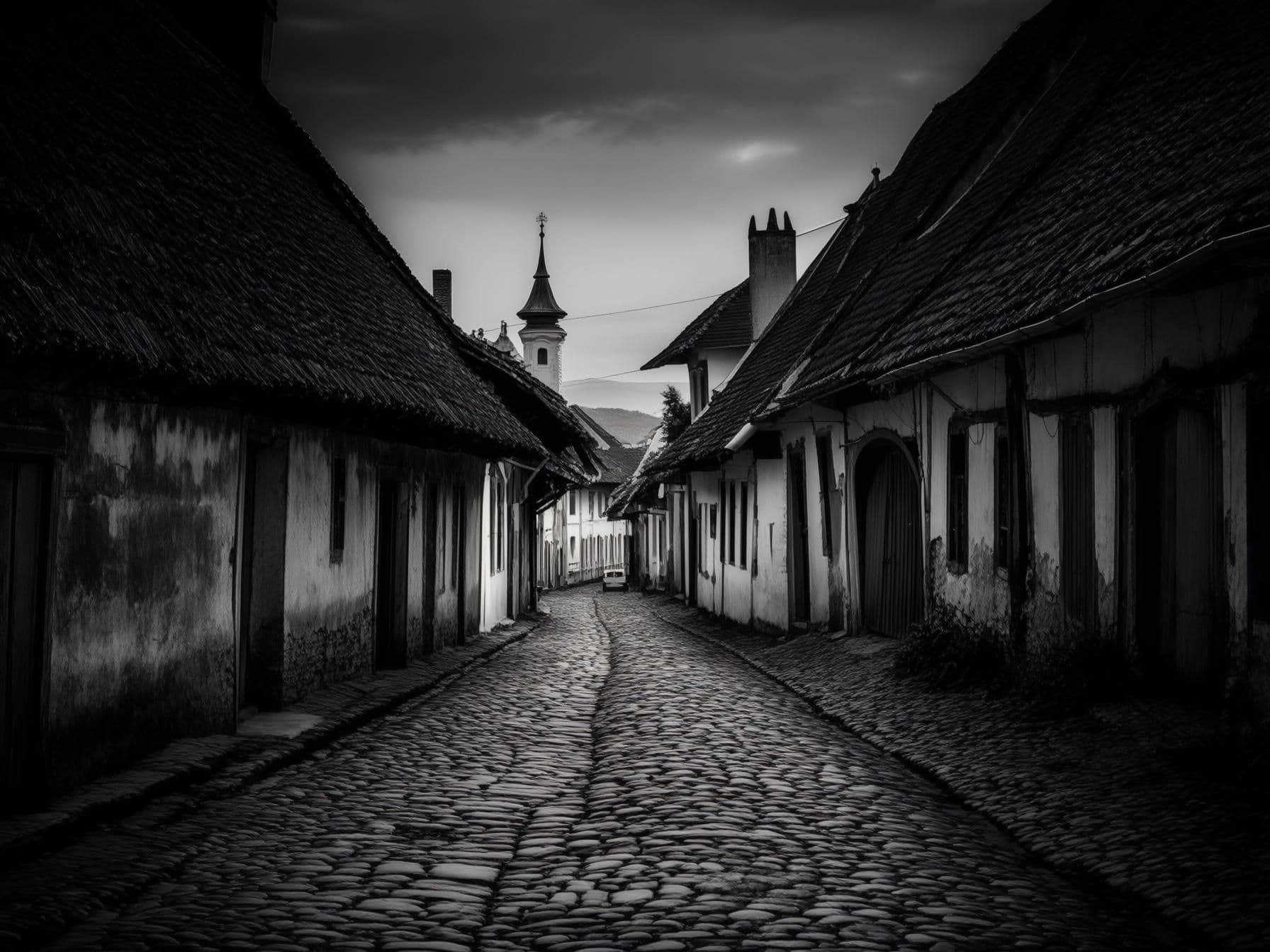
Discovering Bistrita: A Journey Through Romania’s History and Culture
Discovering Bistrita: A Journey Through Romania’s History and Culture
Nestled in Transylvania, Bistrița captivates with Gothic architecture, medieval charm, and rich cultural heritage. Our AI Travel Agent helps visitors navigate this Romanian gem's historic center, traditional festivals, and local cuisine. A budget-friendly destination perfect for history lovers.
Uncovering the Historical Background of Bistrița
Bistrița's origins can be traced back to medieval times, mentioned in documents from the 13th century. Established by Transylvanian Saxons, German-speaking colonists invited by Hungarian kings, the city quickly grew into an important market town thanks to its strategic location along key trade routes. These routes bridged Romanian, Saxon, and Hungarian cultures, enriching Bistrița's diverse history.
Despite facing frequent Ottoman invasions during the 15th and 16th centuries, the community's resilience shone through. Visitors can still witness the remnants of the town's formidable fortifications, silent witnesses to a history of defense and perseverance. Under the Habsburg Monarchy, Bistrița flourished economically and architecturally, with this era's intricate designs and cultural institutions still visible today.
The 20th century marked significant changes, yet Bistrița preserved its heritage, balancing tradition with modernity. With the right AI Travel Agent, travelers can explore sites linked to noteworthy historical figures, including prominent scholars and political leaders who have shaped Romanian culture.
Architectural and Cultural Landmarks in Bistrița
Bistrița is an open museum showcasing medieval and Renaissance architecture. The Evangelical Church, with its stunning Gothic spires, represents a significant historical landmark. Constructed by the Saxon community, this church is revered for its vaulted ceilings, medieval frescoes, and beautifully crafted organ, a witness to centuries of worship and gatherings.
Close by, the Palace of Culture blends Neo-Renaissance and Baroque elements, providing a cultural hub for exhibitions, concerts, and theatrical performances. For travelers considering a trip to Bistrița, Romania, the Palace offers a portal into the city’s artistic heartbeat amid historical elegance.
Explorations should also include the ruins of Bistrița Citadel, once a fortress playing a pivotal role in regional conflicts. Its weathered walls invite visitors to reflect on the city's storied past and triumphs. Museum enthusiasts can enrich their trip with a visit to the Bistrița Museum, offering ethnographic collections, archaeological artifacts, and local artworks. For those interested in engaging directly with traditional crafts, local centers offer interactive workshops in weaving, pottery, and woodworking.
Experience the Festive Atmosphere
Bistrița’s calendar is brimming with festivals celebrating its medieval heritage and vibrant folk culture. Events such as medieval fairs, folk music, dance festivals, and the annual Christmas market transform the city into a lively mosaic of tradition and community spirit. These activities, easily accessible with an AI Travel agent for Bistrița booking, allow visitors to fully immerse in joyous celebrations.
Savoring Delicious Traditional Cuisine
Bistrița offers a culinary journey where Romanian, Saxon, and Hungarian influences converge. Savoring traditional dishes with the guidance of an AI Travel planner like ciorbă, sarmale, and papanasi creates an unforgettable dining experience. Discovering the city’s food scene through Restaurants in Bistrița, Romania brings the region's rich agricultural heritage to life.
Engaging in Cultural Practices and Community Life
Bistrița’s cultural fabric is woven from the harmonious blend of Romanian, Saxon, and Hungarian traditions. This diversity is vividly seen in the community’s daily life and customs. Festivals and religious events often showcase traditional clothing, with colorful embroidery and symbolic motifs. These garments narrate stories of identity and heritage unique to each ethnic group.
Religious traditions anchor community life, celebrated through deep-rooted rituals and elaborate feasts. Artisanal workshops keep the legacy of Saxon craftsmanship alive, inviting visitors to delve into woodworking and ceramics. These immersive experiences foster a meaningful connection to Bistrița’s living heritage.
Exploring Natural and Cultural Attractions Beyond Bistrița
Beyond its cityscape, Bistrița serves as a gateway to Transylvania’s breathtaking natural landscapes. The nearby Rodna Mountains National Park challenges adventurers with its rugged terrain, while Colibița Lake offers tranquil escapes for boating or fishing. Hiking the Bârgău Valley trails opens a window into traditional villages where rural customs remain vibrant, inviting travelers to engage in storytelling sessions and culinary demonstrations. An AI Travel guide ensures these experiences are seamlessly integrated into your itinerary.
Conclusion
Bistrița encapsulates Transylvania's enchanting spirit, blending history, culture, and natural splendor. For those eager to explore authentic Romanian heritage, this Transylvanian gem, easily accessed through Bistrița, Romania Travel Agent, offers an experience that is both educational and deeply rewarding. Start planning your trip today, immerse, explore, and connect with Bistrița as it awaits with open arms and untold stories.
Additional Resources
For further exploration, consider diving into reading materials and documentaries about Transylvania's history and culture. Titles on Saxon settlements, Romanian folklore, and architectural heritage offer enriching context. Utilize official tourism websites and travel guides for detailed itineraries, accommodations in Bistrița, Romania, and ideas for off-the-beaten-track activities. Embrace the adventure that Bistrița holds at every turn.
Frequently Asked Questions
Best time to visit Bistrita
The best time to visit Bistrita, Romania, largely depends on the activities you are interested in and the type of weather you prefer. Here are some general guidelines:
Spring is a beautiful time to visit Bistrita, as temperatures begin to warm up and the city blooms with colorful flowers. It's a great time for outdoor activities and exploring the historic architecture of the city.
Summer in Bistrita offers warm weather, making it an ideal time for exploring local festivals, hiking, and enjoying the surrounding nature. However, it can also be the busiest tourist season.
Autumn brings cooler temperatures and stunning fall foliage, offering a picturesque setting for visitors. It's a quieter time compared to summer, allowing for a more relaxed experience.
Top attractions in Bistrita?
Bistrița is a charming city in Romania known for its historical architecture and cultural sites. Here are some top attractions you should consider visiting:
This Gothic-style church, built in the 14th century, is one of the city's most iconic landmarks. Its tower offers panoramic views of the city.
A beautifully restored house showcasing Renaissance architecture, where exhibitions and cultural events are often hosted.
A series of 13 interconnected medieval buildings with striking arches and charming cafes, perfect for a leisurely stroll.
Discover local traditions and cultural heritage through exhibitions and displays.
Safety tips for travel in Bistrita?
Bistrita is generally a safe destination for travelers, but it's always wise to take precautions to ensure a safe and enjoyable trip. Here are some safety tips for traveling in Bistrita:
General Safety
- Stay aware of your surroundings and exercise caution in crowded areas.
- Keep your personal belongings secure and avoid displaying valuables in public.
- Be cautious when using ATMs, especially at night. Opt for machines located in well-lit and secure areas.
Transportation
- Use reputable taxi services or ride-hailing apps for transportation.
- If renting a car, ensure it is in good condition and familiarize yourself with local traffic laws.
- Use seat belts and always lock car doors while driving.
Health and Safety
, etc.) and any anchor () tags or links and stray html tags and backticks (`).
,
,
- Carry a basic first-aid kit for minor emergencies.
- Drink bottled water if you are unsure about the local tap by removing all headings (
Local food specialties in Bistrita?
Bistrita, located in Romania, offers a variety of traditional dishes that reflect the area's rich cultural heritage. Here are some local food specialties you should try when visiting Bistrita:
- Sarmale:These are cabbage rolls stuffed with a mixture of rice and minced meat, often served with sour cream and polenta.
- Mămăligă:A staple in Romanian cuisine, mămăligă is a cornmeal dish similar to polenta, often served as a side dish or on its own with cheese and sour cream.
- Ciorbă de burtă:This is a traditional sour tripe soup, flavored with vinegar, garlic, and sour cream.
- Jumări:These are crispy pork cracklings, commonly served as a snack or appetizer.
- Papanasi:A traditional Romanian dessert made from fried or boiled dough, filled with sweet cheese and topped with sour cream and fruit preserves.
Budget travel tips for Bistrita?
Planning a trip to Bistrita on a budget? Here are some tips to help you make the most of your visit without breaking the bank:
- Accommodation
- Consider staying in hostels or guesthouses which offer affordable rates compared to hotels.
- Look for accommodations with kitchen facilities to prepare your own meals.
- Use platforms like Booking.com or Airbnb to find budget-friendly options.
- Local Transportation
- Utilize the public transport system, which is both efficient and economical.
- Consider walking or renting a bicycle for short distances to save money and enjoy the scenery.
- Eating Out
- Try local eateries and street food for authentic and affordable meals.
Accommodation advice for Bistrita?
Finding the right accommodation in Bistrita can significantly enhance your travel experience. Here are some options to consider:
Hotels
- Hotel Bistrita - A comfortable option located centrally, known for its excellent services.
- Hotel Coroana de Aur - Offers modern amenities with easy access to local attractions.
Guesthouses
- Hanul Miorita - A charming guesthouse offering a more personal touch and local cuisine.
- P - A cozy place located in the countryside for a peaceful stay.
