Exploring the History of Sopron: A Look at Its Cultural Heritage
Exploring the History of Sopron: A Look at Its Cultural Heritage
Sopron, Hungary's cultural gem, blends medieval architecture with Austrian influences. This budget-friendly border city features the iconic Firewatch Tower, wine festivals, and preserved Roman walls. Our AI Travel Agent suggests visiting its cobblestone streets and local wine scene.
Historical Background of Sopron
Sopron's history dates back to the ancient era, with early Celtic settlements laying its foundation before it became part of the Roman Empire. Known as Scarbantia during Roman times, this city flourished as a key trade outpost. Remnants of Roman walls and mosaics reflect the grandeur of this bygone era.
As we travel through the Middle Ages, Sopron transformed into a lively medieval town, gaining prominence through its fortified structures and thriving merchant class. Though the Ottoman occupation brought challenges, it also enriched Sopron's cultural tapestry with unique architectural and artisanal influences.
In the Austro-Hungarian Empire era, Sopron flourished as a cultural crossroad, intermingling Hungarian and Austrian influences. This period saw an architectural boom and vibrant social life, laying a foundation for today's cityscape.
Sopron's Architectural Heritage
In Sopron, Hungary, explore a breathtaking architectural legacy that reflects its complex history. The city's medieval old town, with well-preserved city walls and cobblestone streets, transports visitors back in time. The iconic Sopron Firewatch Tower is a must-see landmark offering panoramic views of the city.
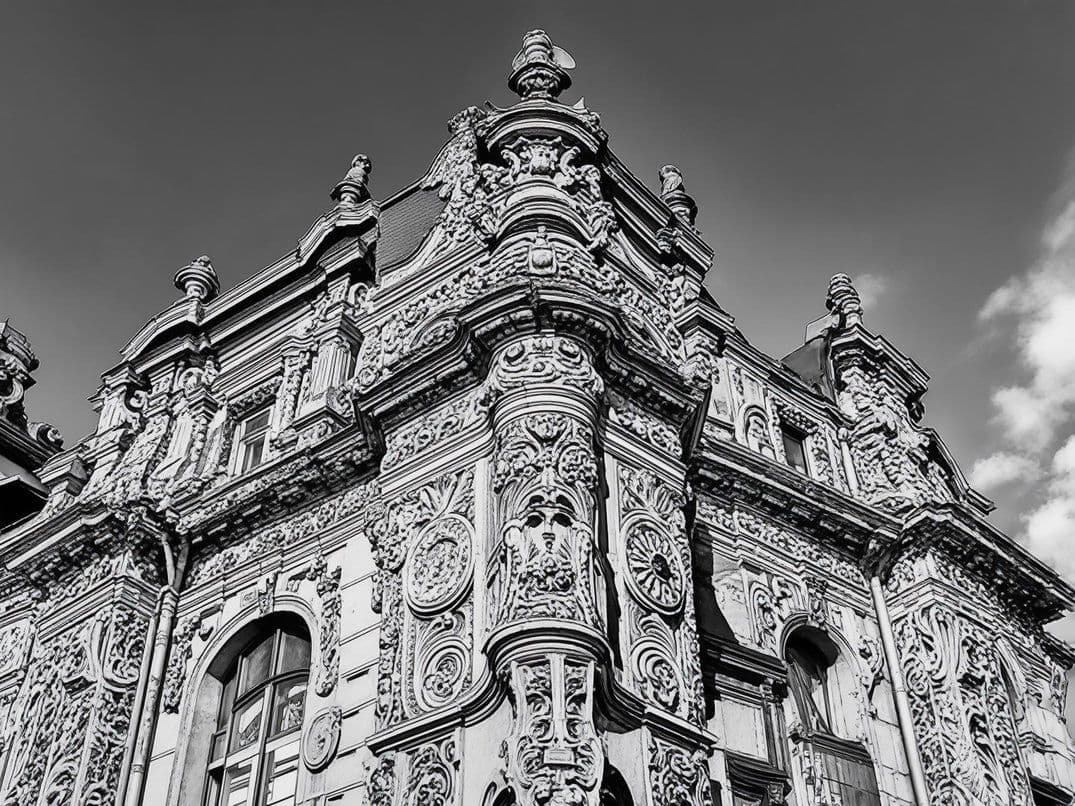
Religious architecture also shapes Sopron's skyline. Notable landmarks like the Storno House and the Loyolai House stand as testaments to exquisite craftsmanship. Architectural enthusiasts will appreciate the abundance of Baroque and Gothic styles that define the cityscape.
