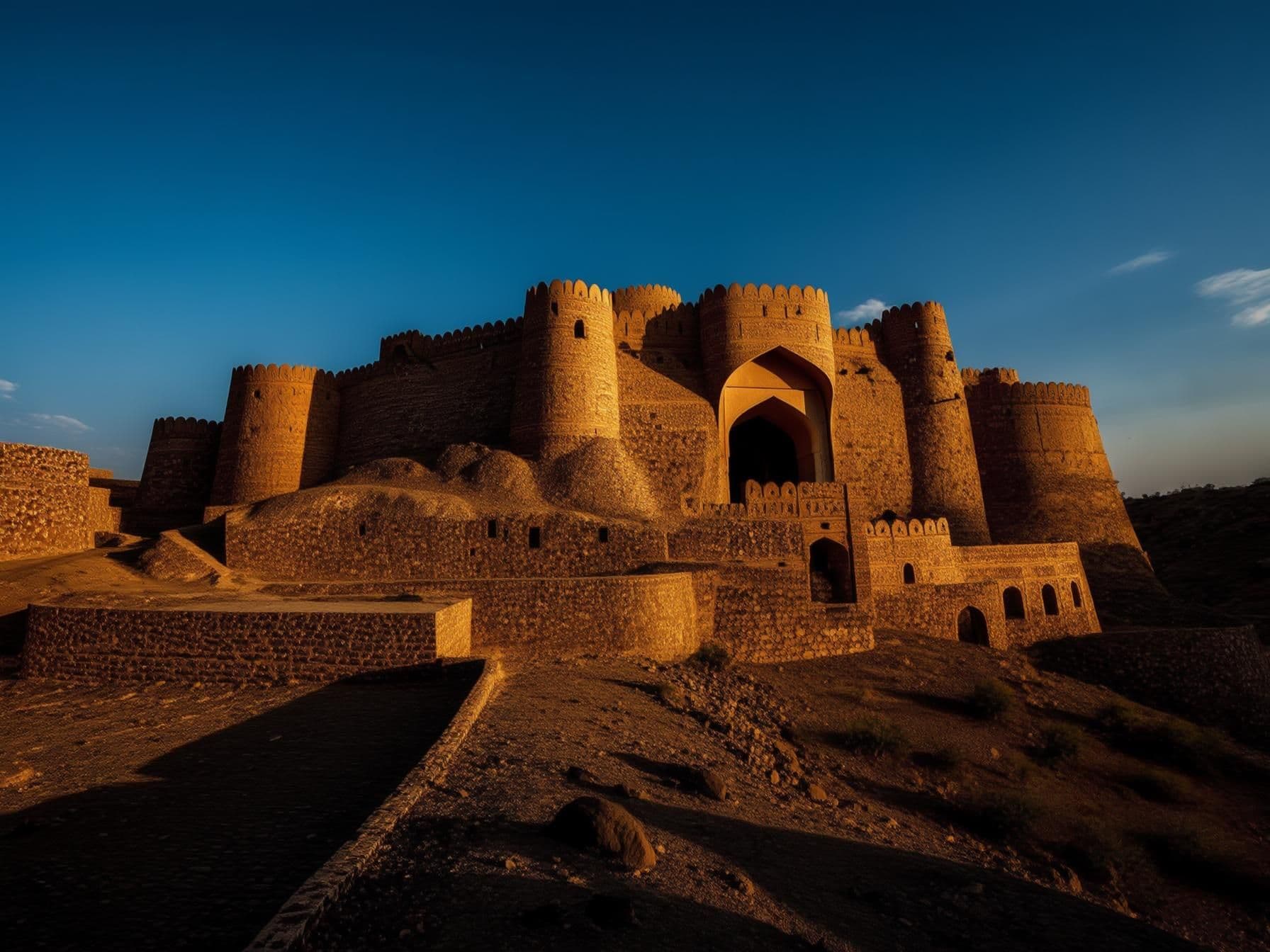
Ranikot Fort: Unveiling the Grandeur and History of the Largest Fort in Pakistan
Ranikot Fort: Unveiling the Grandeur and History of the Largest Fort in Pakistan
Visit Ranikot Fort, Pakistan's architectural marvel spanning 32km. This 17th-century fortress showcases stunning Islamic design, watchtowers, and local stone craftsmanship. Budget-friendly hotels nearby make it ideal for history buffs seeking authentic Pakistani heritage.
The Historical Background of Ranikot Fort
Ranikot Fort is located about 90 kilometers north of Karachi, near the town of Sann in the Jamshoro District. Known as "The Great Wall of Sindh," Ranikot extends over 32 kilometers in circumference. While its exact origins remain a mystery, construction is estimated between the 17th and 19th centuries, possibly beginning as early as the 15th century. The Talpur and Kalhora dynasties are credited with enhancing this structure, mainly during the 18th century to fortify against invasions.
Historically, the fort was a crucial stronghold, safeguarding the interior of Sindh from foreign attacks and bandit raids. Acting as a refuge during times of unrest, Ranikot represented security and resilience in a turbulent era. Today, as discussions around UNESCO World Heritage status gain momentum, awareness of this monumental site’s cultural and tourism potential continues to grow. Organizations aim to preserve and maintain the fort, keeping its history alive for future generations.
Architectural Features of Ranikot Fort
Ranikot Fort’s grand design features immense walls spanning 32 kilometers, surpassing many famous forts worldwide. The fort's architecture makes use of the natural rugged terrain, providing an impenetrable defensive barrier. Its walls, rising 10 to 15 meters high, are equipped with approximately 20 strategically placed watchtowers and bastions for optimal defense.
Notable for its robust gates, such as Sann Gate and Amri Gate, the fort showcases intricate stonework reflecting Islamic and regional influences. Within the fort lies remnants of palatial complexes, mosques, and living quarters, alongside an advanced water system of wells and tanks that ensured sustainability during sieges. The use of local stone and limestone mortar, combined with both dry stone masonry and mortar bonding, attests to the site’s enduring strength and resilience.
