Exploring the Historic Ruins of Anjar: A Guide for History Enthusiasts
Exploring the Historic Ruins of Anjar: A Guide for History Enthusiasts
Ancient Anjar in Lebanon's Bekaa Valley is a UNESCO site showcasing 8th-century Umayyad architecture with a Roman-inspired layout, grand gates, and bustling marketplaces, perfect for spring visits.
Understanding the Historic Significance of Anjar
Founded in the 8th century during the reign of Umayyad Caliph Al-Walid I, Anjar is an archaeological treasure that reflects the amalgamation of Roman urban design principles and early Islamic architecture. The city was strategically constructed as a royal retreat around 738 AD, and its rectangular layout with intersecting streets exemplifies one of the earliest examples of planned cityscapes in Islamic history. Historically, Anjar was a strategic hub connecting the Mediterranean coast with inland regions, reinforcing its economic and political significance during that era.
Must-See Sites in Anjar, Lebanon
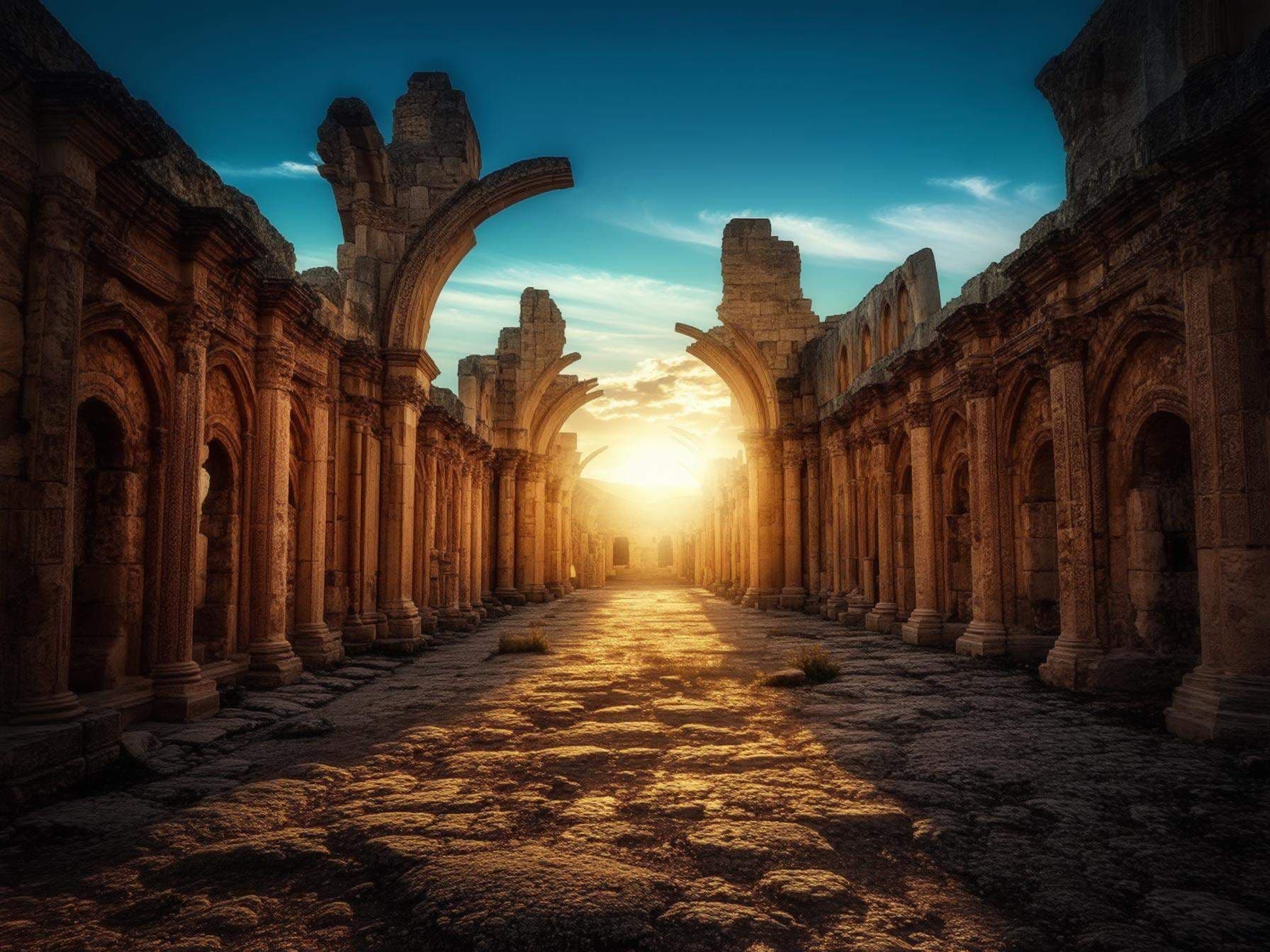
As you step into Anjar, you’ll be greeted by its well-preserved rectangular perimeter walls, which encapsulate significant landmarks such as two monumental gates on the southern and northern walls. Walking through these entrances, you’re transported back to a bustling era when the Cardo Maximus, a main thoroughfare lined with columns and shops, was the heart of trading activity.
Noteworthy sites also include the grand marketplace, ancient shops, and residential quarters that provide insightful glimpses into domestic life centuries ago. The intricate stonework and remains of bathhouses complement the experience, offering a comprehensive overview of early Islamic city life. Whether using the AI Travel Agent to book your journey or just seeking historical nuggets through a Trip Planner App, capturing the striking columns and panoramic views is a must.
Tips for History Buffs and Enthusiastic Travelers
For those who adore history, preparation is essential. Reading about the Umayyad dynasty and archaeological discoveries beforehand enriches your visit. Consider hiring a local guide or joining an organized tour, as they offer insights and anecdotes often missing in guidebooks. Carrying a detailed map or a specialized guidebook helps simplify navigation through Anjar’s intricate layout, ensuring no detail is overlooked. Additionally, AI Travel services like the Trip Planner App can customize itineraries offering fascinating stops and things to do while in Anjar.
By snapping photos, visitors can capture the area's beauty while respecting the preservation guidelines. History enthusiasts will appreciate the chance to actively engage with a city brimming with tales of a bygone era. For the ultimate experience, leverage AI Travel solutions with real-time information to redefine your trip to Anjar, Lebanon.
Practical Travel Advice and Accommodation Insights
To make the most of your trip, plan a visit during spring (March to May) or autumn (September to November) when the climate is mild. Arriving early in the morning ensures fewer crowds and more rewarding photographic opportunities. Use an AI Travel Agent to discover the best deals on flights to Anjar and hotels in Anjar, Lebanon, aligning your stay with personal preferences and budgets. Recommendations for places to stay, ranging from cozy guesthouses in the Bekaa Valley to luxury resorts, offer varied options suiting different needs.
Additionally, dining in Anjar promises a culinary adventure that shouldn’t be missed. Enjoy traditional Lebanese cuisine at local restaurants in Anjar, experiencing the rich flavors through dishes like fresh mezze and velvety baklava. For more guidance, an AI Travel-based Trip Planner App can recommend top-rated dining spots and cheap activities around Anjar, ensuring a well-rounded visit.
Exploring Nearby Attractions and Activities
Anjar's strategic location makes it ideal for further exploration of Lebanon’s heritage. Baalbek, known for its colossal Roman temples, is just a short drive away and well worth a visit. Additionally, the vibrant markets in nearby towns offer opportunities for shopping and sampling local handicrafts, supporting artisans while bringing back authentic souvenirs. AI Travel guides can outline exciting activities and experiences around Anjar, catering to personal interests and schedules.
Conclusion
Anjar serves as a captivating reminder of early Islamic ingenuity and cultural convergence, making it an essential destination for those eager to dive into history. Thoughtful preparation, leveraging AI travel tools, and a respectful curiosity will transform your visit to Anjar into an educational and memorable adventure—an unforgettable experience in the story-rich tapestry of Lebanon.
Additional Resources
- Dive deeper with official tourism websites and archaeological reports for updates on site conditions and guided tours.
- Books and documentaries detailing Lebanese history and the Umayyad dynasty offer enriching background, while participation in archaeological programs can further the adventure.
- With AI Travel Agents and a Trip Planner App at your disposal, your journey to Anjar is an invitation to savor history and present-day wonders seamlessly blended into an enriching travel itinerary.
Frequently Asked Questions
Best time to visit Anjar
The best time to visit Anjar is during the cooler months from October to March. During this period, the weather is pleasant, making it ideal for sightseeing and exploring the historical and cultural sites of the area.
- October to March:The temperatures are cooler, ranging from 15°C to 28°C, providing a comfortable climate for outdoor activities.
- April to June:These months can get quite hot, with temperatures rising to 40°C, which might be uncomfortable for outdoor exploration.
- July to September:The region experiences monsoons, resulting in heavy rainfall and high humidity levels, which could affect travel plans.
For travelers interested in attending local festivals and cultural events, it is also recommended to check the festival calendar before planning your trip.
Top attractions in Anjar?
Anjar is a town rich in history and culture, offering several attractions for visitors. Here are some of the top places to visit in Anjar:
Explore the ancient ruins of Anjar, a UNESCO World Heritage site, which features Roman-style architecture and offers insights into the Umayyad period.
Visit this historic Armenian church known for its beautiful architecture and serene atmosphere.
Delve into the local history and culture by visiting the Anjar Museum, which displays artifacts and exhibits from various periods of the region's past.
Additionally, you may want to explore the local markets and enjoy traditional Armenian cuisine in the town's eateries.
Safety tips for travel in Anjar?
Traveling to Anjar can be an enriching experience, but it is important to take certain precautions to ensure your safety. Here are some safety tips to consider while visiting Anjar:
- Research Local Guidelines:Before your trip, check for any local travel advisories or updates regarding Anjar. This can help you prepare for any current events or situations.
- Keep Valuables Secure:Keep your valuables, such as passports, cash, and electronics, secured and hidden from sight to prevent theft.
- Avoid Isolated Areas:Stick to well-populated and tourist-friendly areas, especially after dark, to minimize the risk of encountering unsafe situations.
- Use Reliable Transportation:Use reputable transportation services and avoid accepting rides from strangers. Licensed taxis and well-known ride-sharing apps are recommended.
- Stay Informed:Stay updated on the local news and any developments that might impact your safety while in Anjar.
Local food specialties in Anjar?
Anjar is known for its rich culinary heritage and offers a variety of local specialties that reflect its diverse culture. Here are some must-try dishes:
These are a popular snack made by deep-frying gram flour batter mixed with spices and various fillings like potatoes or onions.
A unique local version of the dabeli, a spicy potato filling sandwiched between pav bread and garnished with pomegranate seeds and peanuts.
A savory, fluffy cake made from fermented chickpea batter, often enjoyed as a breakfast or snack.
An assorted platter featuring a variety of small dishes including vegetables, dal, kadhi, roti, and sweets.
Budget travel tips for Anjar?
Exploring Anjar on a budget can be both enjoyable and affordable. Here are some tips to make the most of your trip without overspending:
Choose Affordable Accommodation
- Consider staying in budget-friendly hotels or guesthouses. Booking in advance can help you find the best rates.
- Look for deals on websites.
Save on Transportation
- Use public transportation or consider renting a bicycle to explore the town and its surroundings.
- Walking tours are a great way to see local sites without spending money on transportation.
Eat on a Budget
- Try local street food for delicious and inexpensive meals.
- Avoid restaurants in tourist-heavy areas as they tend to be more expensive.
Explore Free Attractions
- Visit local markets and parks.
Accommodation advice for Anjar?
When planning a trip to Anjar, it's important to consider your accommodation options. Here are some tips to help you find a suitable place to stay:
Types of Accommodation
**Hotels:**Anjar offers a range of hotel options, from budget-friendly to more luxurious choices. Be sure to check for amenities like Wi-Fi and breakfast.
**Guesthouses:**For a more local experience, consider staying at a guesthouse. These can offer a more homely atmosphere and personalized service.
**Hostels:**If you're traveling on a tight budget, hostels provide affordable dormitory-style accommodation, often with kitchen facilities.
Booking Tips
**Check Reviews:**Always read reviews on reliable travel websites to ensure the accommodation meets your expectations.
