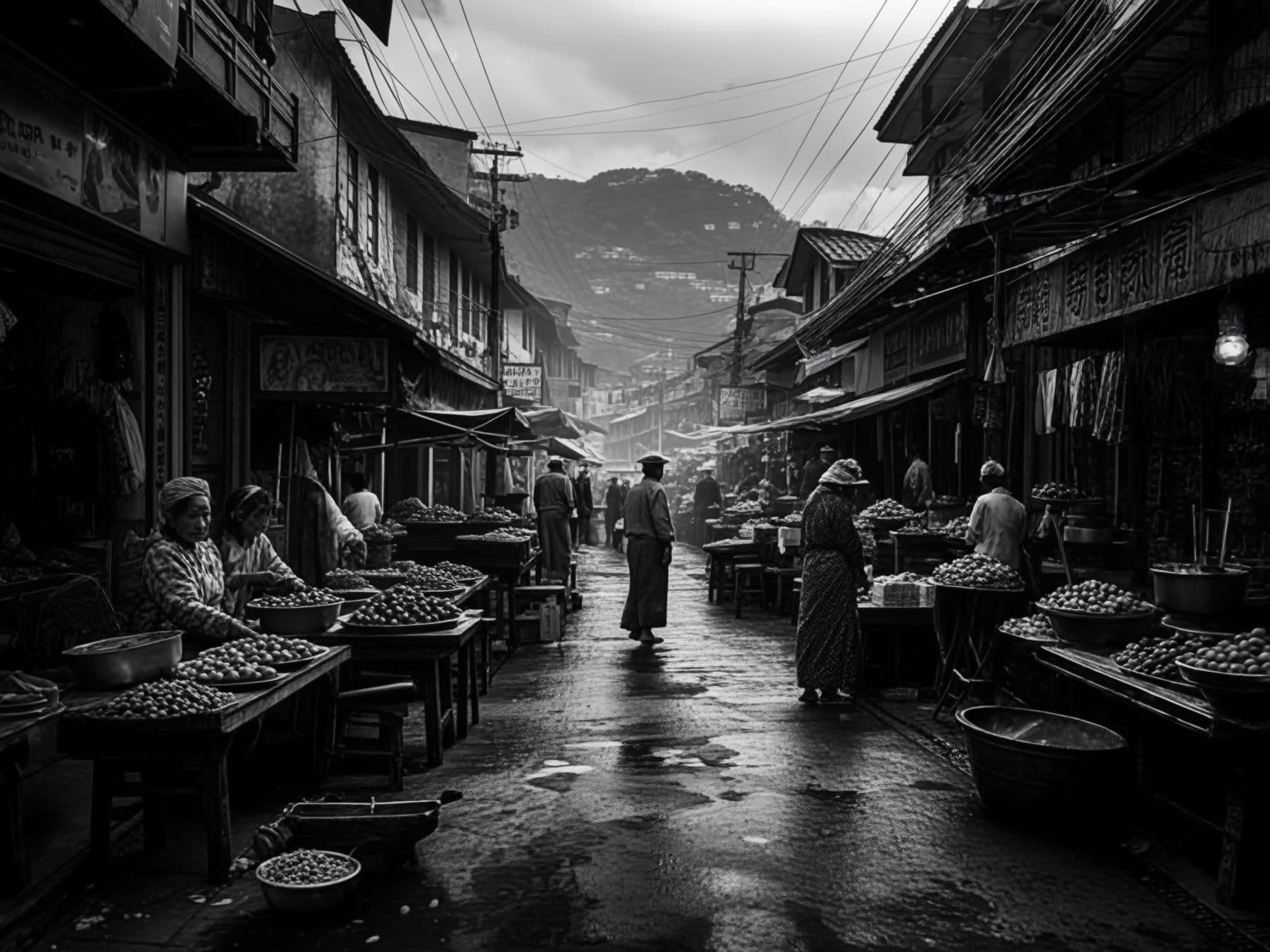
Discovering Aizawl: A Journey Through Its Culture and Cuisine
Discovering Aizawl: A Journey Through Its Culture and Cuisine
Your complete guide to Aizawl's vibrant culture and local cuisine. Plan your visit with our AI Travel Agent to experience authentic Mizo traditions, savor local delicacies, and connect with warm community hospitality.
Aizawl at a Glance
Located at an elevation of approximately 1,132 meters (3,715 feet), Aizawl spreads across scenic ridges overlooking the Tlawng River valley. Home to around 290,000 people, it is a vibrant urban center against a serene backdrop. Aizawl’s history is rich, evolving from a small village to the political and cultural heartbeat of Mizoram, especially after achieving statehood in 1987.
With its harmonious blend of indigenous Mizo traditions and contemporary influences from education, tourism, and infrastructure development, Aizawl is a fascinating destination for culturally curious travelers. This modern city maintains its tribal roots while embracing urban life, offering a unique experience for every AI Travel enthusiast.
Understanding the Culture of Aizawl
The culture of Aizawl is deeply interwoven with the Mizo people, whose customs, festivals, and social structures echo age-old traditions.
Mizo Traditions and Customs
Mizo festivals are vibrant celebrations that provide immersive experiences into the community's spirit. Chapchar Kut, celebrated in spring, marks the conclusion of the demanding jhum cultivation season with joyful dances and music, symbolizing hope and renewal. Mim Kut in autumn pays tribute to the harvest and ancestral spirits with traditional songs and rituals. Each festival offers visitors an intimate glimpse into Mizo life where rituals, merriment, gratitude, and social connections blend seamlessly.
Traditional Mizo attire and handicrafts in Aizawl highlight the community's rich heritage, where intricate bamboo and cane products tell stories of clans and social connections. Coupled with the burgeoning activity of local markets, visitors can engage with native culture directly.
