Top Seasons to Explore Evora
Top Seasons to Explore Evora
Plan your Evora adventure with ideal timing tips for mild spring, vibrant summer, culinary autumn, or peaceful winter visits. Our AI Travel Agent highlights seasonal events and practical advice for this historic Portuguese gem.
Overview of Evora Climate
Evora enjoys a classic Mediterranean climate, marked by hot, dry summers and mild, wet winters. Situated inland, it experiences more temperature variation than coastal regions. Summers are typically characterized by bright, sun drenched days with temperatures often soaring above 30°C (86°F), ideal for sun lovers but challenging for those sensitive to heat. In contrast, the winter months bring cooler weather, with daytime temperatures generally ranging between 8°C and 15°C (46°F to 59°F). Rainfall follows the Mediterranean rhythm, with most occurring between November and February, leaving spring and summer largely dry and sunny. These climatic characteristics play a crucial role in determining the optimal times to plan a visit to Evora.
Best Time to Visit Evora
Spring: Ideal for Mild Weather and Flowers
Spring unfolds in Evora with mild temperatures and blossoming landscapes that make city gardens and the countryside come alive. Daytime temperatures range from 18°C to 24°C (64°F to 75°F), offering perfect weather for exploring outdoor attractions without the summer heat. This season is particularly popular among travelers seeking a peaceful experience, as tourist crowds are lighter compared to summer. Nature enthusiasts will delight in the vibrant wildflowers that carpet the surrounding plains. Spring also hosts several popular events such as the Evora Medieval Festival, which brings history to life with street performances, medieval markets, and traditional music. This period is ideal for outdoor sightseeing, allowing visitors to fully enjoy Evora's ancient sites such as the Roman Temple, the Chapel of Bones, and the stunning Cathedral without discomfort.
Summer: Experience Vibrant Energy and Long Days
Summer in Evora spells hot and dry weather, with temperatures often climbing beyond 35°C (95°F). This season is the peak tourist period, attracting visitors eager to experience the long daylight hours and numerous cultural activities. Despite the heat, summer has its charms. The city's squares and outdoor cafes buzz with energy as locals and tourists mingle over refreshing local wines and Alentejo culinary delights. To beat the heat, it's wise to plan sightseeing during the cooler early mornings or late afternoons, stay hydrated, and take advantage of shaded areas when exploring. Festivities continue throughout summer with the International Music Festival, showcasing a rich blend of classical and contemporary performances in evocative historic venues. However, be prepared for higher accommodation prices and busier attractions during these months.
Autumn: Enjoy Harvest and Local Gastronomy
Autumn ushers in a refreshing cooldown for Evora, with temperatures ranging from 18°C to 25°C (64°F to 77°F) in September, gradually dropping as the season progresses. This period is marked by the harvest season, a wonderful opportunity for food lovers to indulge in local gastronomy celebrating olives, grapes, and truffles. The mild weather, combined with the golden hues of the surrounding landscape, makes autumn an excellent time for sightseeing and vineyard tours. Another advantage of visiting during fall is the reduced crowds, allowing a more intimate experience at popular landmarks. Cultural life remains vibrant, with local wine festivals and artisan fairs providing delightful ways to engage with the region's traditions and crafts. Overall, autumn strikes a lovely balance between pleasant weather, unique food experiences, and relative tranquility.
Winter: Peaceful Exploration and Festive Spirit
Although winter is cooler and wetter, Evora's mild winter climate remains inviting to many travelers looking to avoid the hustle and bustle of high tourist seasons. Temperatures typically sit between 8°C and 15°C (46°F to 59°F), and while rain is more frequent, it rarely disrupts travel plans for long. This season sees the fewest tourists, making it ideal for those seeking solitude and a genuine glimpse into local life. Winter also brings unique cultural events, such as the festive Christmas celebrations that light up the city with traditional markets, nativity scenes, and concerts. Additionally, Festas de Nossa Senhora da Graca is a significant event that showcases religious devotion alongside folk music and communal feasts. The off peak season often means more affordable accommodation and easier access to popular sites, albeit with a need to pack warmer clothing.
Special Events and Festivals by Season
Evora's rich calendar of festivities enhances its appeal throughout the year. Among these, the Evora Medieval Festival is a standout spring event where visitors can immerse themselves in a vivid reenactment of medieval life, complete with knights, artisans, and authentic cuisine. In summer, the International Music Festival captivates audiences with performances set against the city's historic backdrops, ranging from classical to contemporary genres. Autumn invites travelers to participate in the region's harvest celebrations, including wine tastings and gastronomic fairs that spotlight Alentejo's culinary heritage. The winter season brings warm Christmas celebrations filled with lights, markets, and traditional music, offering a cozy and festive atmosphere. Additionally, local market days and artisan fairs occur regularly throughout the year, providing vibrant opportunities to purchase handcrafted goods and sample fresh regional produce. Each season's events not only enrich the visit but also connect travelers to the heart and soul of Evora.
Tips for Planning Your Trip
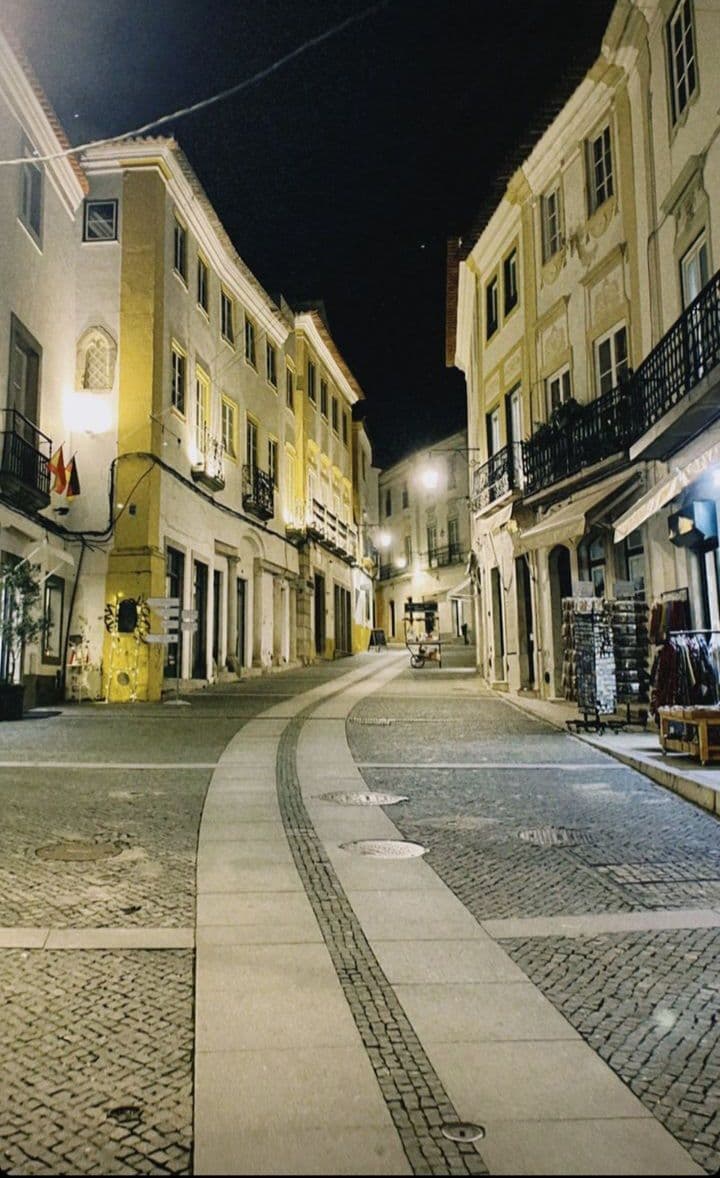
When planning a trip to Evora, it's prudent to book accommodations well in advance during peak seasons, especially in summer and during major festivals. The variety of lodging options from charming guesthouses to boutique hotels often fill up quickly. Clothing choices should align with the season: pack lightweight, breathable clothes and sun protection for the hot summers; layers and rain gear for the cooler, wetter winters. Navigating Evora is straightforward, with a compact city center easily explored on foot, but renting a bicycle or using local buses can extend your reach to surrounding wineries and villages. Being mindful of local holidays and events will help in aligning your itinerary to avoid closures or to partake in vibrant cultural experiences. Health and safety considerations include staying hydrated in summer heat and protecting yourself from strong sun exposure. Additionally, like many historical places, comfortable walking shoes are essential for traversing uneven cobblestones and ancient sites.
Conclusion
Choosing the best time to visit Evora largely depends on your travel preferences. For pleasant weather and blossoming nature, spring offers an ideal setting with fewer tourists and exciting festivals. If you thrive on lively atmospheres and long sunny days, the summer months bring vibrant energy at the cost of higher temperatures and crowds. Autumn balances mild weather, local culinary delights, and peaceful sightseeing, perfect for food lovers and culture seekers alike. Winter appeals to those wanting tranquility, lower prices, and charming seasonal festivities. Regardless of when you visit, Evora's timeless charm, rich history, and warm hospitality promise an unforgettable experience. Thoughtful planning, from accommodation to packing, ensures your trip is smooth and enjoyable. So, set your sights on Evora any time of the year, and prepare to immerse yourself in one of Portugal's most enchanting gems.
Top Picks Near Explore Evora
Flights: Find cheap flights to Explore Evora
