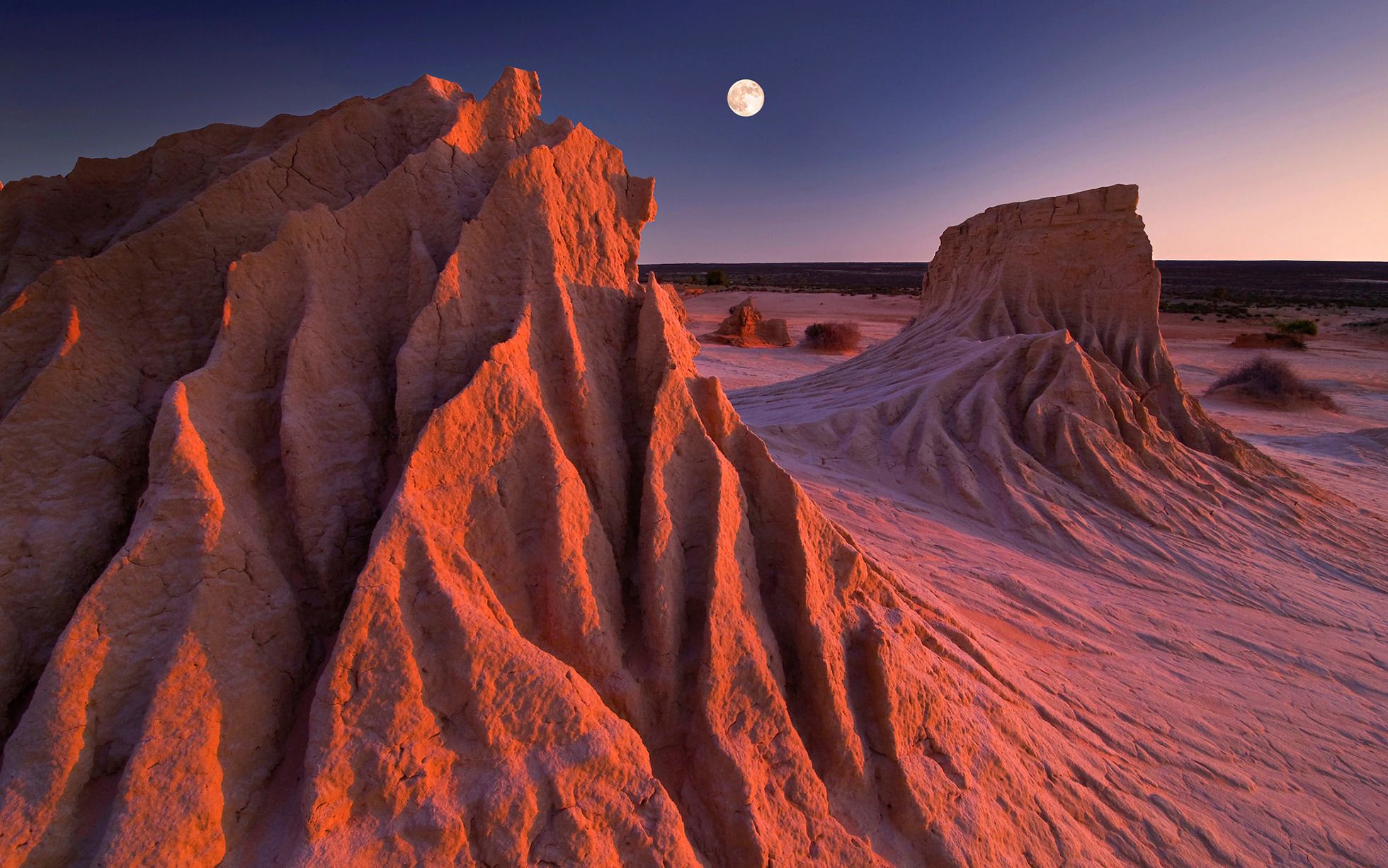
Australia’s Most Unusual Natural Phenomena & Where To See Them
Australia’s Most Unusual Natural Phenomena & Where To See Them
Discover 10 of Australia’s strangest natural wonders with help from AI travel tools. Plan smarter with an AI booking agent and real-time insights.
And while tracking them down used to require deep research and local knowledge, AI travel technology now offers an exciting way to explore these phenomena with precision and ease. Whether you're a curious tourist or a travel agent planning a one-of-a-kind itinerary, using AI to navigate Australia’s most unusual natural landscapes makes the entire experience seamless and insightful.
Horizontal Falls, Western Australia

Tucked away in the rugged Kimberley region of Western Australia lies one of the world’s most unusual natural water features: the Horizontal Falls. Unlike traditional waterfalls, these falls occur horizontally, caused by powerful tidal movements squeezing massive volumes of seawater between two narrow gorges. The result is a waterfall that surges sideways, sometimes reversing direction as the tides change.The surrounding landscape is equally dramatic, with red cliffs, turquoise waters, and a sense of untouched wilderness. Horizontal Falls are only accessible by air or sea, making the journey itself part of the adventure. Boat tours and scenic flights give you a front-row seat to this dynamic phenomenon.Travel Tips:Best accessed via tours from Broome or Derby.Visit between March and October for calmer weather.Book a seaplane experience for a stunning aerial view.
Lake Hillier, Western Australia

This bubblegum-pink lake on Middle Island is one of Australia’s most surreal sights. Lake Hillier’s shocking pink hue stays vibrant year-round, surrounded by eucalyptus forests and bordering the Southern Ocean. Scientists believe the colour comes from a mix of microorganisms and algae in the salt-rich water, although the exact cause remains a mystery.While the lake’s high salinity means it’s not ideal for swimming, its remote location and visual impact make it a bucket-list stop. The contrast between the pink lake, green foliage, and deep blue sea is simply, in other words, one of the most surreal landscapes you’ll find in Australia. Most travellers view the lake via air tours due to limited island access.Travel Tips:Best seen from the air; book a scenic flight from Esperance.Combine this with a visit to Cape Le Grand National Park.Photography is best around midday for vibrant colour.
The Pinnacles Desert, Western Australia
Scattered across a golden desert in Nambung National Park are thousands of limestone spires known as the Pinnacles. Formed over millions of years, these towering formations seem to rise from another planet. Some stand just a few centimetres tall, while others stretch up to four metres.Wandering through the Pinnacles, especially at sunrise or sunset, feels like stepping into a dreamscape. Wildlife like emus and kangaroos often roam the area, adding to the mystique. It’s a spot that balances scientific wonder with serene beauty.Travel Tips:Located a 2-hour drive from Perth, making it an easy addition to your itinerary when booking affordable flights to Perth.Visit during the golden hour for the best photography.4wd vehicles can access more remote dunes.
Bioluminescent Beaches, Tasmania

Along certain stretches of Tasmania’s coastline, the ocean glows electric blue after dark. This bioluminescence is caused by microscopic plankton that emit light when disturbed, creating waves that sparkle under the moonlight. The effect is magical and fleeting, often lasting just a few hours.The most famous site for this phenomenon is the beaches around Hobart and the Bay of Fires, two of the Top 5 Coastal Escapes in Tasmania. It’s a natural light show that turns a quiet night walk into something unforgettable. Because it’s weather- and tide-dependent, seeing it requires some patience and luck, but when it appears, it’s nothing short of spellbinding.Travel Tips:Visit during warm, calm nights in late summer or autumn.Follow local bioluminescence Facebook groups for sightings.Avoid using flashlights or camera flashes.
Lightning Ridge’s Black Opal Fields, New South Wales

Beneath the dry surface of this Outback town lies one of the world’s rarest treasures: black opal. The vibrant, multicoloured gemstones found here are unique to Lightning Ridge, making it a hotspot for gem hunters and curious travellers alike. Above ground, you’ll find eccentric mining camps, opal shops, and even underground art galleries.Lightning Ridge feels like a frontier town with a deep cultural charm. Many visitors try fossicking (searching for opals) themselves or take guided tours through working mines. The town’s quirky character adds a layer of intrigue to its already rare geology.Travel Tips:Drive or bus from Sydney (about 9 hours).Wear sturdy shoes if fossicking.Visit the Artesian Bore Baths for a relaxing soak.
The Bungle Bungles, Western Australia

Located in Purnululu National Park, the Bungle Bungle Range is a series of striking, beehive-shaped sandstone domes striped with orange and black bands. These formations, formed over 350 million years, were virtually unknown to the outside world until the 1980s. Today, they’re recognised as a UNESCO World Heritage Site.The best way to experience the Bungle Bungles is on foot via guided hikes that lead through canyons, gorges, and ancient creek beds. Alternatively, helicopter flights offer sweeping views of the vast sandstone formations. Their sheer scale and isolation give the area an almost spiritual quality.Travel Tips:Open during the dry season (April–November).4wd access only; tours available from Kununurra.Hike Cathedral Gorge for echoing natural acoustics.
Wave Rock, Western Australia

Wave Rock is a stunning granite formation shaped like a giant ocean wave frozen in time. Standing 15 metres high and stretching over 100 metres, the rock’s curved shape and layered streaks were carved by wind and rain over millions of years.Located near the town of Hyden, Wave Rock is part of a larger reserve that includes ancient Aboriginal rock art and unique flora. It’s a deeply cultural site, offering insight into both geological forces and Indigenous heritage. A walk along the top provides panoramic views of the surrounding bushland.Travel Tips:It's a 4-hour drive from Perth.Combine this with a visit to Mulka’s Cave for Aboriginal art.Sunrise is the best time for photos without crowds.
Great Blue Lake, Mount Gambier, South Australia

Each November, this volcanic crater lake transforms from steel grey to a vibrant cobalt blue, captivating visitors with its sudden colour shift. The phenomenon, still not fully understood, is believed to be caused by a combination of temperature change, sunlight, and dissolved minerals.Located in the limestone-rich town of Mount Gambier, the Blue Lake is part of a series of volcanic sinkholes and caves. Walking trails circle the lake, providing multiple viewpoints of its ever-changing beauty. It’s a striking stop along the Limestone Coast.Travel Tips:The best colour appears from November to March.Ideal for scenic walks and photography.Visit nearby Umpherston Sinkhole and Engelbrecht Cave.
Plan Your Trip to See Them
Top local options linked directly for faster planning.
Flights: Find cheap flights to See Them