Visit Gyeonggijeon Shrine
Explore the Historic Charm of Gyeonggijeon Shrine in Jeonju
Overview
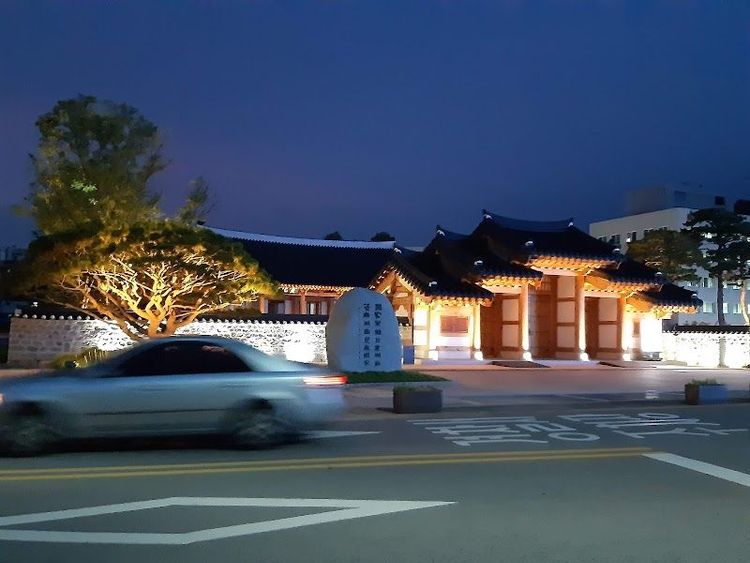
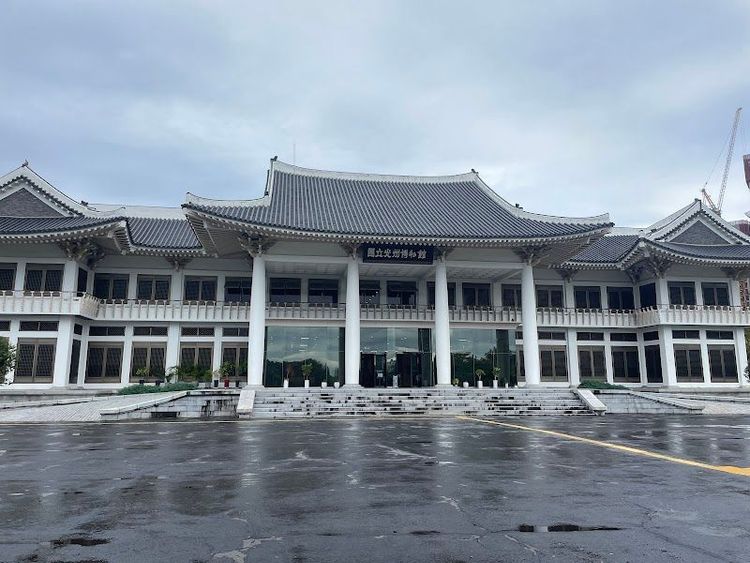
Gyeonggijeon Shrine stands as one of Korea's most significant historical sites, built in 1410 to enshrine the portrait of King Tae-jo, the founder of the Joseon Dynasty. The complex features traditional Korean architecture with multiple buildings set around peaceful courtyards. The on-site museum houses precious royal artifacts and provides detailed historical context. The shrine serves as both a cultural heritage site and an active place of traditional ceremonies.
About This Attraction
Discover Jeonju's sacred Gyeonggijeon Shrine with AI Travel Agent's trip planner app, the ultimate activity hub for history lovers. Visit this cultural gem using Cheap flights from South Korea. This beautiful shrine is a must-visit on your itinerary, perfect for those seeking cheap activities in Jeonju. By booking with the AI Travel app, you can access exclusive offers and recommendations, ensuring a rewarding experience. Uncover the rich history of Jeonju, a city steeped in tradition and offering countless activities in Jeonju, South Korea. Whether exploring the vibrant streets or soaking in the serene atmosphere of the shrine, this trip to Jeonju promises unforgettable memories. Fly to Jeonju today and let the best Jeonju, South Korea Travel Agent guide your journey to amazing experiences!
🕒 Opening Hours
Monday: 9:00 AM – 6:00 PM
Tuesday: 9:00 AM – 6:00 PM
Wednesday: 9:00 AM – 6:00 PM
Thursday: 9:00 AM – 6:00 PM
Friday: 9:00 AM – 6:00 PM
Saturday: 9:00 AM – 6:00 PM
Sunday: 9:00 AM – 6:00 PM
⏱️ Time Required
Most visitors spend 1-2 hours exploring Gyeonggijeon Shrine thoroughly. This allows time to appreciate the architecture, visit the museum exhibits, and stroll through the peaceful courtyards. History enthusiasts may want to allocate 2-3 hours to read all informational displays and fully absorb the historical context. The site is compact enough to explore comfortably without feeling rushed, but spacious enough to accommodate detailed examination of the various buildings and exhibits.
Historical Significance and Serene Atmosphere
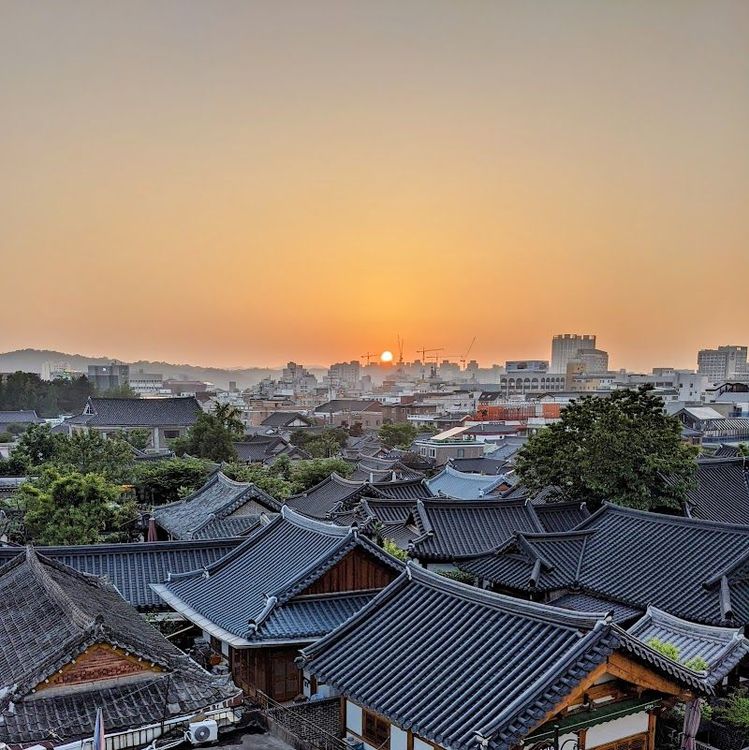
Gyeonggijeon Shrine, located in the heart of Jeonju, South Korea, is an essential visit for travelers interested in history and culture. This historic site holds deep significance as it houses the portrait of King Tae-jo, the founder of the Joseon Dynasty, making it a focal point for understanding Korea’s royal heritage. The shrine’s traditional architecture and expansive grounds provide a serene atmosphere that contrasts with the bustling city life, allowing visitors to immerse themselves in Korea’s past while enjoying peaceful strolls through well-preserved gardens and ancient trees.
Incorporating Gyeonggijeon Shrine into Your Itinerary
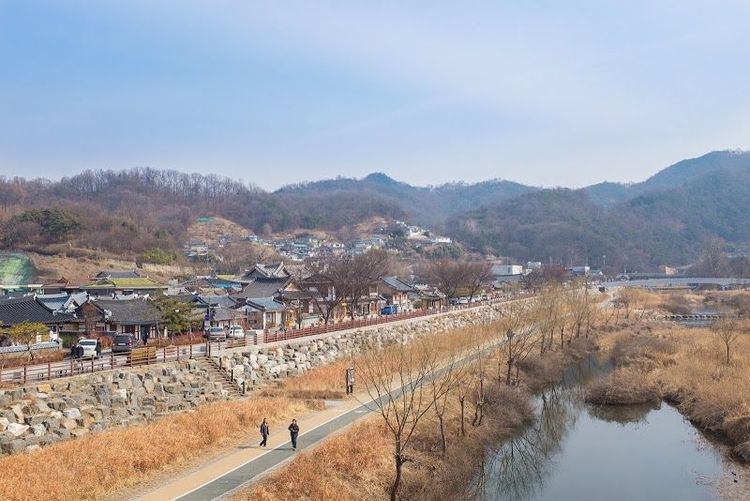
For those planning a trip to Jeonju, South Korea, including Gyeonggijeon Shrine as part of their itinerary offers a meaningful glimpse into the city’s cultural richness. Jeonju itself is famed for its charming hanok village, delicious local cuisine, and vibrant festivals, but Gyeonggijeon Shrine stands out as a must-see activity in the area. It is conveniently located within walking distance from Jeonju’s central district, making it an accessible and budget-friendly stop without the need for extra transportation costs.
Exploring the Shrine and Activities
Activities in Jeonju, South Korea, are varied and cater to different interests, but exploring this shrine is one of the most enriching experiences that blend education with leisure. Visitors can take advantage of informative guided tours or simply wander through the site at their own pace to admire the intricate wooden structures, traditional tile roofs, and the beautiful blend of architectural styles from different periods. The shrine also hosts several cultural events throughout the year, which offer additional layers of engagement with Korea’s heritage.
A Budget-Friendly Experience
For frequent travelers and travel enthusiasts looking for cheap activities while exploring Jeonju, Gyeonggijeon Shrine offers great value. Admission fees are typically modest, making it an affordable option for those mindful of budgets. Couple this with cheap flights to Jeonju, South Korea, and you have a well-rounded, cost-effective travel plan. Given its central location and rich appeal, it remains a highlight on lists of things to do in Jeonju, South Korea.
Using Technology for Efficient Travel Planning
When considering how to organize your visit and incorporate Gyeonggijeon Shrine into your broader travel itinerary, using an AI travel agent or trip planner app can enhance the experience. These tools help identify the best times to visit, nearby cheap activities, and seamless connections to other local attractions, ensuring an efficient and enjoyable trip to Jeonju. Whether flying to Jeonju, South Korea, or looking for additional cheap activities in the area, an AI travel agent is an excellent resource for making the most out of your journey without overspending.
Conclusion
Overall, Gyeonggijeon Shrine blends history, culture, and convenience in a way that appeals to both seasoned travelers and those new to Jeonju. Its prime location, affordability, and depth of experience make it a noteworthy highlight for anyone exploring the city. Using AI travel and modern trip planning apps can further enhance your visit, streamlining activities and giving you access to insights that turn a typical trip into a memorable adventure.
Historical Significance
Gyeonggijeon Shrine holds immense historical importance as one of the few remaining royal portrait shrines from the Joseon Dynasty. Established in 1410, it was built to house the portrait of King Tae-jo, the dynasty's founder. The shrine represents the Confucian values that shaped Korean society for centuries. It survived numerous historical events, including the Japanese invasions and Korean War, making it a symbol of cultural resilience. The architecture and artifacts provide invaluable insight into royal traditions and Joseon-era craftsmanship.
Family Friendly
Gyeonggijeon Shrine is family-friendly with educational value for children interested in history and culture. The open courtyards provide space for children to move around, though quiet behavior is expected. The museum exhibits are engaging for older children, while younger ones may enjoy the architectural details and traditional buildings. Elderly visitors will appreciate the flat pathways and numerous resting areas. Families should note that the historical nature means limited interactive exhibits specifically designed for very young children.
Getting There
Gyeonggijeon Shrine is easily accessible within Jeonju's Hanok Village area. It's a short walk from Jeonju Station (approximately 15 minutes) or a quick taxi ride from anywhere in the city. Multiple bus routes stop near the entrance, including routes 79, 119, and 142. The shrine is within walking distance of other major attractions in the traditional village. Parking is available for those driving, though spaces can be limited during peak seasons. The location makes it easy to combine with visits to other historical sites in the area.