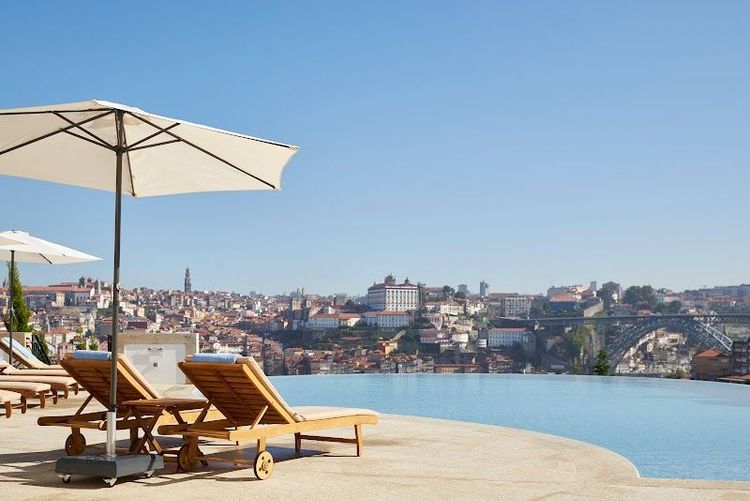
Luís I Bridge
Luís I Bridge
Porto, Portugal
Arched bridge carrying low-level road & a high-level metro line between Porto & Vila Nove de Gaia.
Last updated: February 11, 2026
Overview
Arched bridge carrying low-level road & a high-level metro line between Porto & Vila Nove de Gaia.
Opening Hours
Visitor Reviews
**★★★★★ DjTmg lo — 2 weeks ago
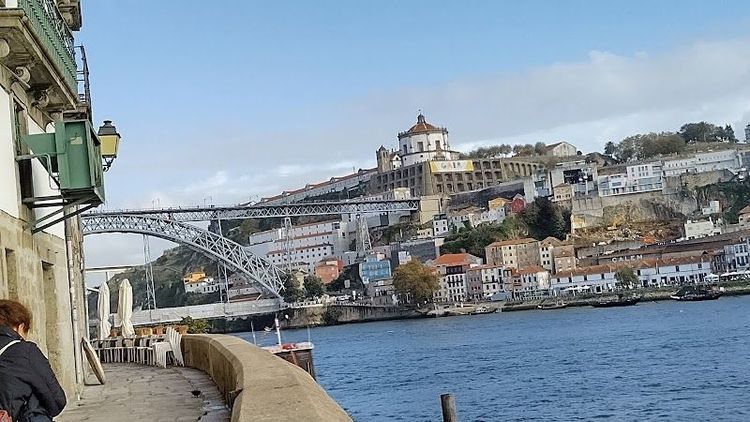
The Luís I Bridge is absolutely stunning and a must-see in Porto. The views from the top are breathtaking, especially at sunset, overlooking the Douro River and the colorful Ribeira district. Walking across the bridge is an unforgettable experience, with a perfect mix of history, architecture, and scenery. Easy to access, lively atmosphere, and great photo opportunities on both levels. One of the highlights of the city—highly recommended!
**★★★★★ Rina D. — 3 weeks ago
I really loved this bridge. It’s amazing to realize that it was opened in 1886, you can truly feel the history when you’re there. It’s a perfect place for a walk, with beautiful views and a great atmosphere. The craftsmanship is flawless. It’s hard to believe that so many years ago such detailed attention was given to every element, the bridge still looks impressive today.
**★★★★★ Tami Donner — 4 weeks ago
Took the 6 bridges tour. 20€ about 1 hour long. Sat outside in the front of the boat. Awesome ride. No food or drinks offered. Highly recommend for a relaxing way to see both bank of Porto and the bank of Gaia. The six bridges are beautiful. No guide to explain what you're seeing but still very fun.
**★★★★★ Min Hahm — 3 months ago
Amazing view regardless of weather. But just be ready to walk in the crowd. Always busy with tourists and street vendors. Also be careful when train passes by. If you want to get a good picture while on the bridge, look for asian guys with big dslr camera taking pictures of their gf or wife. They’re super skilled and professional photographers😆
**★★★★★ Koen — 3 months ago
Ingenious, elegant, photogenic. These are just a few descriptions of Porto's most famous landmark: the (Dom) Luis I Bridge. In 1879, the Portuguese government launched a competition for the construction of a bridge to replace the 1842 Ponte Pênsil. Due to the economic boom, this bridge, officially called the Ponte D. Maria II, could no longer handle the increased traffic. Of the nine proposals submitted, the design by Belgian engineer Théophile Seyrig, one of two by the Société Anonyme de Constr